Edo-Tokyo Museum Tickets: Everything to Know Before You Go
The Edo-Tokyo Museum reopened on March 31, 2026 after a four-year renovation, its first since the building opened in 1993. Crowds have not fully returned yet, which makes this an unusually good year to see the Nihonbashi bridge replica and the life-size Edo streets without a crush of people.
About This Experience
1-4-1 Yokoami, Sumida City
Ryogoku Station: JR Sobu West exit, 3 minutes; Toei Oedo exits A3/A4, 1 minute
Tuesday to Sunday, 9:30 to 17:30, Saturdays until 19:30. Closed Mondays
¥800; free for junior-high age and under
About 2.5 hours, including admission
March 31, 2026, after a four-year full renovation
Check Live Availability & Prices
See current dates, group size, and price for the guided Edo-Tokyo Museum tour below.
Is the Guided Tour Worth It?
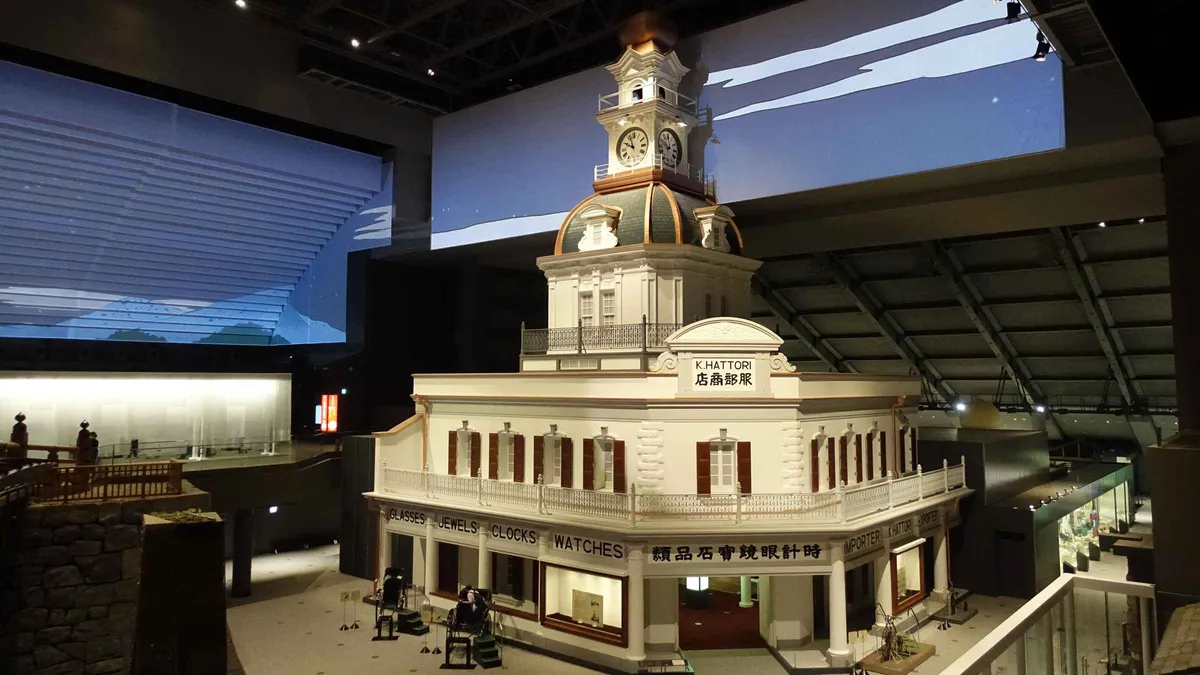
The door ticket is ¥800, a little over $5, and gets you into a museum built around a full-scale replica of the old Nihonbashi bridge, life-size reconstructions of Edo-period streets, and scale models of the merchant districts that became modern Tokyo. Nothing stops you from wandering it alone.
What the models do not do on their own is explain themselves. The guided tour on this page runs about 2.5 hours, includes admission, and adds an English-speaking guide who meets you outside JR Ryogoku West exit by the sumo statue. It costs $61, which is real money next to an ¥800 door ticket, and it is a new listing on this site with only one review so far, a 5.0. Judge it as promising rather than proven.
Where it earns its price is context: why the merchant district was laid out the way it was, what the Nihonbashi bridge actually connected, how Edo became Tokyo through the Meiji era. If you want the short version of the museum, go alone for ¥800. If you have 2026 read up on before your trip and want the museum to make sense as a story rather than a diorama, the guide is worth the gap. Either way, check out our guide to planning museum days in Tokyo for how this fits alongside Ueno and Asakusa on the same trip.
What You'll See
The museum spans two main zones connected by the Nihonbashi bridge replica, and most first visits move through both.
- The full-scale Nihonbashi bridge replica you walk across at the entrance
- Life-size reconstructions of Edo-period row houses and shopfronts
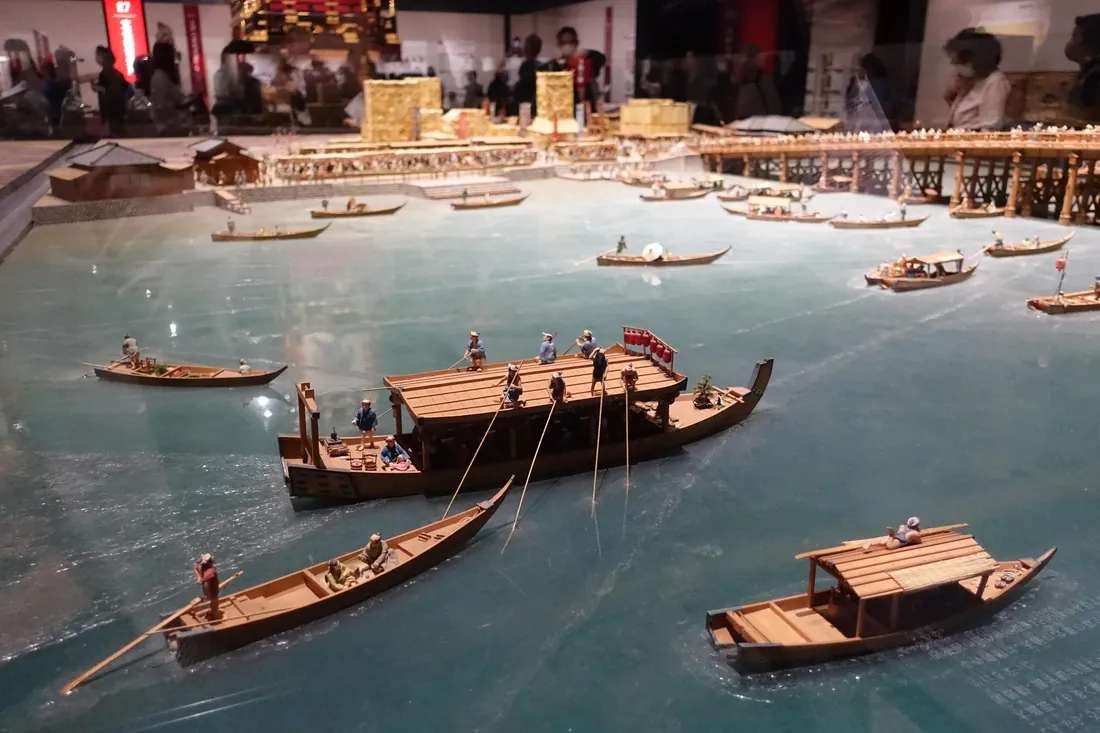
- Scale models of the old merchant districts, built down to individual figures
- Displays tracing Edo's transformation into Tokyo through the Meiji era
- Rotating special exhibitions in the newly renovated galleries
- Views from the upper floors back down over the reconstructed streets
- Interactive stations explaining Edo-period trades and daily routines
- The renovation itself, visible in updated lighting and gallery layouts throughout
How a Visit Flows
-
Before you go
Check the day
The museum closes Mondays, and Saturday hours run later, until 19:30, so a Saturday afternoon slot avoids the crowd that gathers right at opening.
-
On arrival
Meet at Ryogoku
The guided tour meets outside JR Ryogoku West exit by the sumo statue; from the Toei Oedo line, exits A3 or A4 put you a minute from the entrance.
-
First stop
Cross the bridge
The full-scale Nihonbashi bridge replica sits right at the start and sets the scale for everything that follows.
-
Next
Walk the reconstructed streets
Life-size Edo row houses and shopfronts give way to the scale-model merchant districts, where a guide's context turns figures into a story.
-
Before you leave
Take the upper floors
The elevated walkways give a wide view back over the models, a good place to slow down before heading out.
Know Before You Go
Not suitable for
- Anyone with under an hour to spare, since the reconstructions reward slower walking
- Travelers expecting a Monday visit, when the museum is closed
- Those wanting street shoes off comfort measures beyond standard museum floors
What to bring
- Comfortable shoes for stairs between the two main zones
- A little cash or a Grutto Pass, which covers admission here
- A camera, since photography is generally allowed in the main halls
Not allowed
- Flash photography near light-sensitive displays
- Food and drink inside the exhibition halls
- Large luggage without using the lockers near the entrance
Insider Tips
A few things make the difference between a rushed pass-through and a visit that sticks.
- Go on a weekday morning in 2026 while post-renovation crowds are still thin
- Combine it with the free Sumo Museum at the nearby Ryogoku Kokugikan
- The Japanese Sword Museum is a five-minute walk if you want to extend the day
- The Grutto Pass covers this museum along with several others, worth it for a multi-museum trip
- Saturday's later closing, 19:30, is the easiest way to avoid the daytime rush
Where You're Headed
Edo-Tokyo Museum Tickets FAQ
Is the Edo-Tokyo Museum open again in 2026?
Yes. It reopened March 31, 2026 after a four-year renovation, the first full renovation since the building opened in 1993.
How much are Edo-Tokyo Museum tickets?
The door ticket is ¥800, about $5, with free entry for junior-high age and under. The guided tour with admission included is $61.
Is the guided tour worth it compared to the ¥800 door ticket?
The door ticket gets you into the galleries, but the guided tour adds the context behind the Nihonbashi bridge replica and the merchant district models. It is a new listing with limited reviews so far, so weigh the price gap against how much narrative context you want.
How long does a visit to the Edo-Tokyo Museum take?
Plan on about 2.5 hours if you take a guided route through both main zones; a self-paced visit can run shorter or longer depending on how much time you spend at each model.
What else is near the Edo-Tokyo Museum in Ryogoku?
The Ryogoku Kokugikan sumo arena and its free Sumo Museum sit on the same block, and the Japanese Sword Museum is about a five-minute walk away.
What Visitors Say
The Nihonbashi bridge replica is the first thing you see and it sets the scale for the whole visit. Our guide explained what the bridge actually connected in old Edo, which the models alone would not have told us.
We went on a weekday morning right after the reopening and had entire rooms of the merchant district models nearly to ourselves. Worth planning around the quieter hours in 2026.
Our guide met us right by the sumo statue outside Ryogoku Station, easy to find, and walked us through the reconstructions with stories we would have missed reading the labels alone.