Tokyo has more museums than any sensible trip can hold, and they have almost nothing in common with each other: a digital art museum you walk through barefoot, the oldest national collection in Japan, a museum where you train with a katana, and a lottery-ticket shrine to Studio Ghibli. This guide sorts the best museums in Tokyo into seven themes so you can pick the ones that fit your day. Each section covers where the museum sits and which station serves it, when it opens, what a ticket costs, what you will actually see inside, and the practical tips that save time, followed by the tickets and guided tours worth booking ahead.
Hours, prices and closing days on this page were last checked in July 2026, but Tokyo museums shift schedules for exhibitions and holidays, so confirm on the official site before a special trip. Two quirks to remember from the start: most public museums here close on Mondays, and the two biggest names, the Ghibli Museum and teamLab, sell out days or months ahead, so those are the tickets to fix first.
チームラボ / teamLab & Digital Art Museums
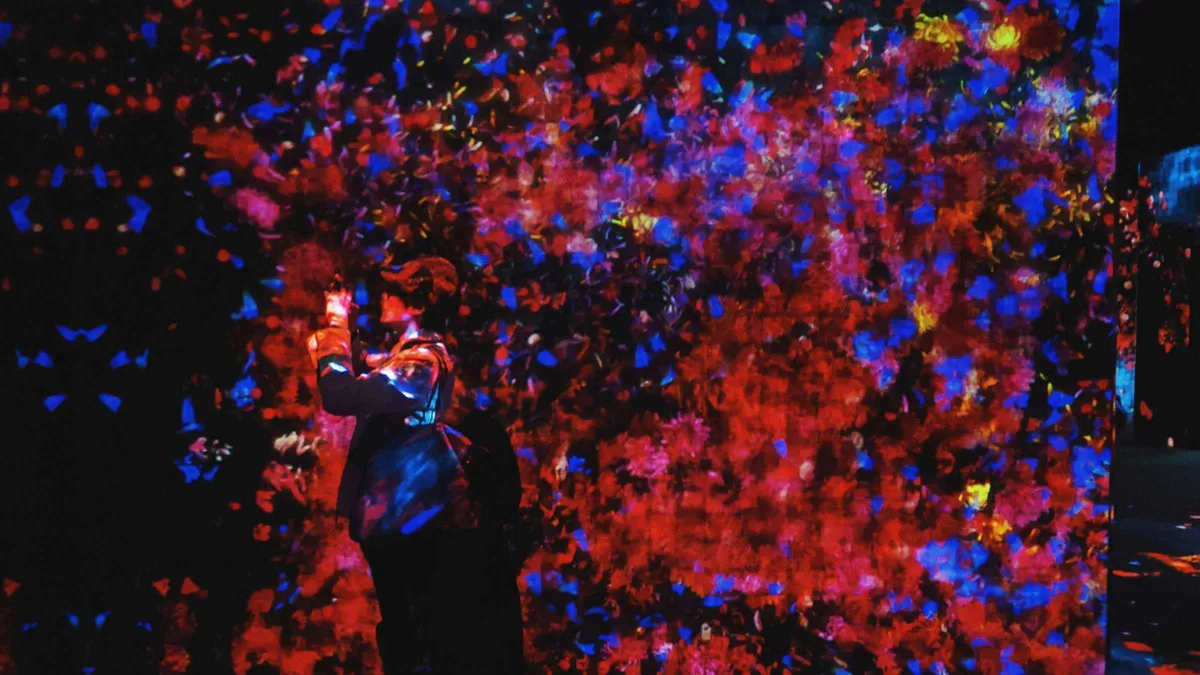
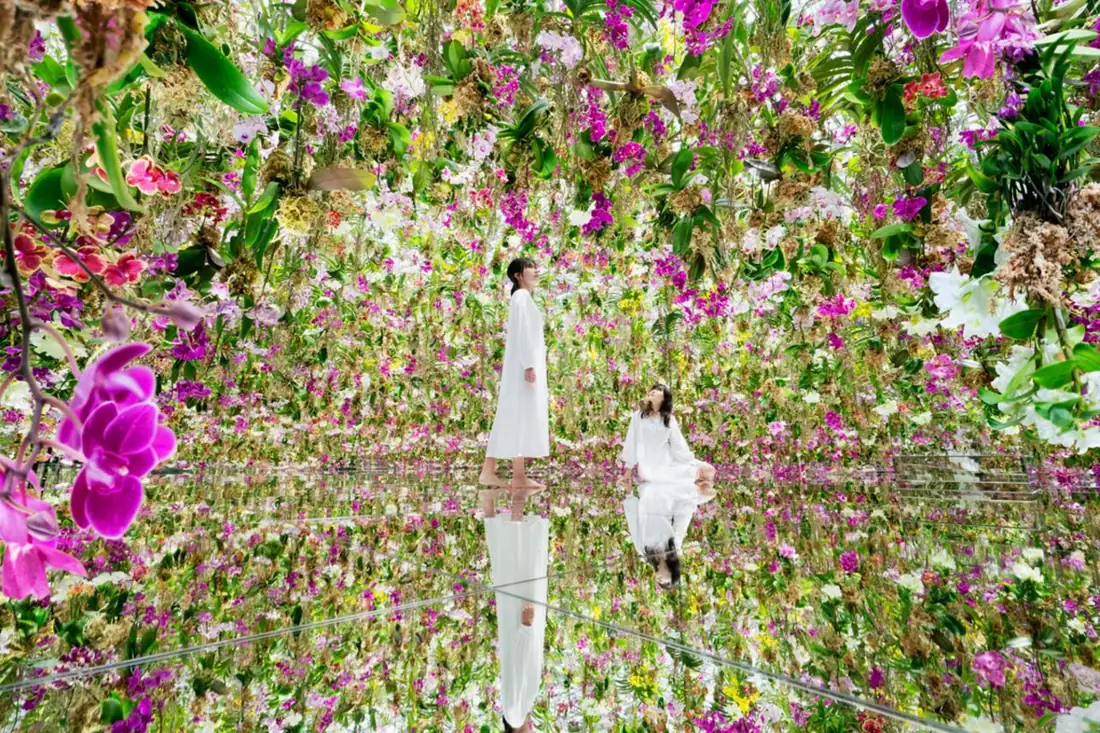
Tokyo invented the museum you experience with your whole body, and the digital art museum in Tokyo that started it all is teamLab. There are two, and they are genuinely different. teamLab Planets in Toyosu is the sensory one: you go barefoot, roll your trousers and wade knee-deep through a mirrored water room while projected koi scatter around your legs. In early 2026 it more than doubled in size, adding the Athletic Forest and a new Future Park, so even repeat visitors have reason to return. It opens daily from 9:00 to 22:00 and runs on timed entry, with dated tickets from about ¥3,800.
teamLab Borderless in Azabudai Hills is the atmospheric one. There is no map and no route; artworks leave their rooms, drift down corridors and merge into each other, and half the pleasure is being lost. Tickets sell out days ahead in high season, and same-day availability is rare. If your dates are fixed, book Borderless before you book dinner. The private tour below pairs it with the Imperial Palace East Gardens and includes the entry everyone else is refreshing the ticket page for.
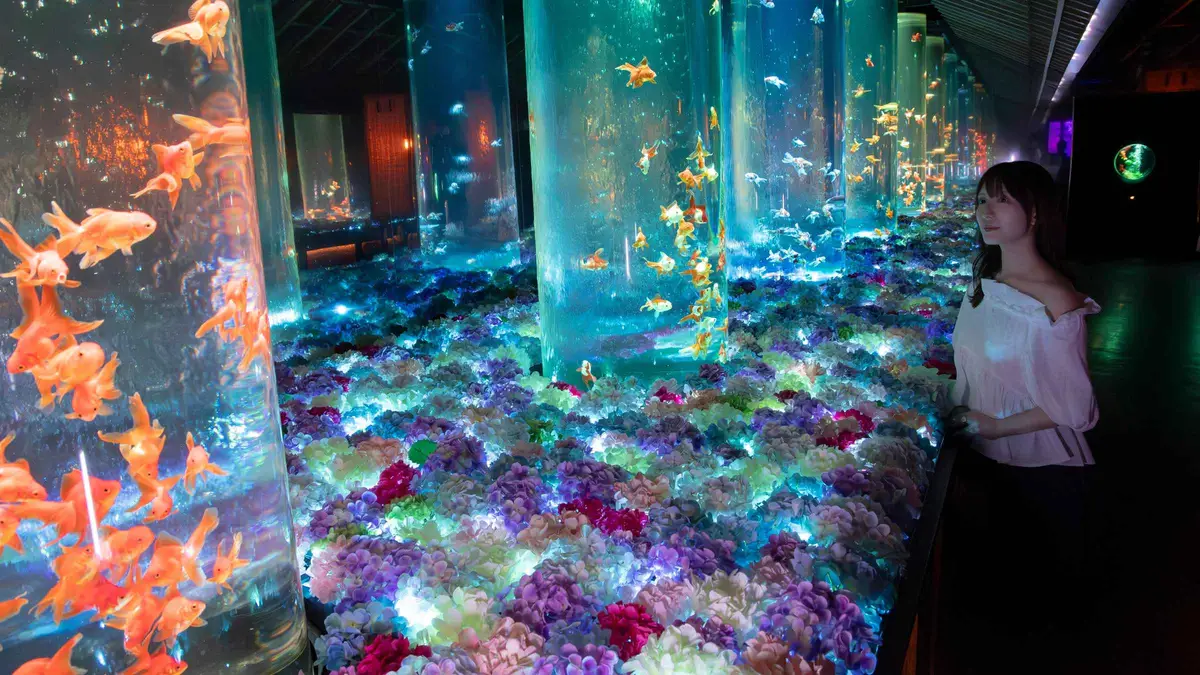
The quiet third option is the Art Aquarium Museum GINZA, a permanent exhibition above Ginza Mitsukoshi where thousands of goldfish swim through lit glass sculptures. It takes about an hour, costs around ¥2,500 and needs no planning at all, which makes it the perfect rainy day or pre-dinner stop in central Tokyo.
東京国立博物館 / Tokyo National Museum & Ueno Park
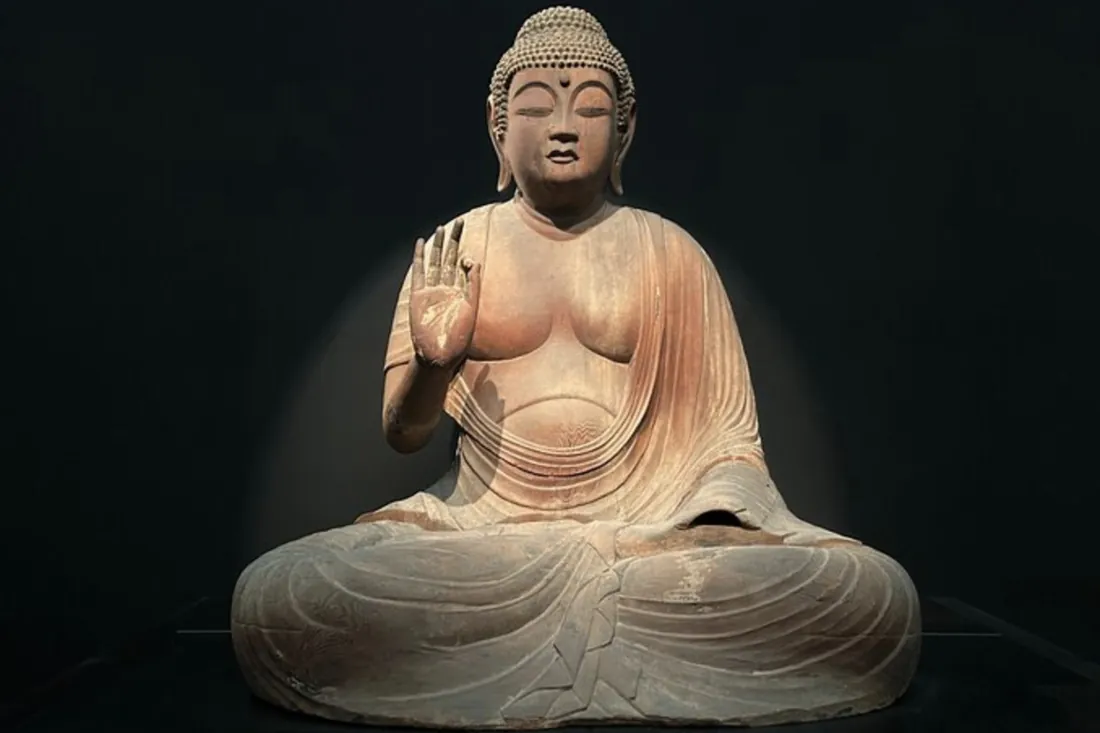
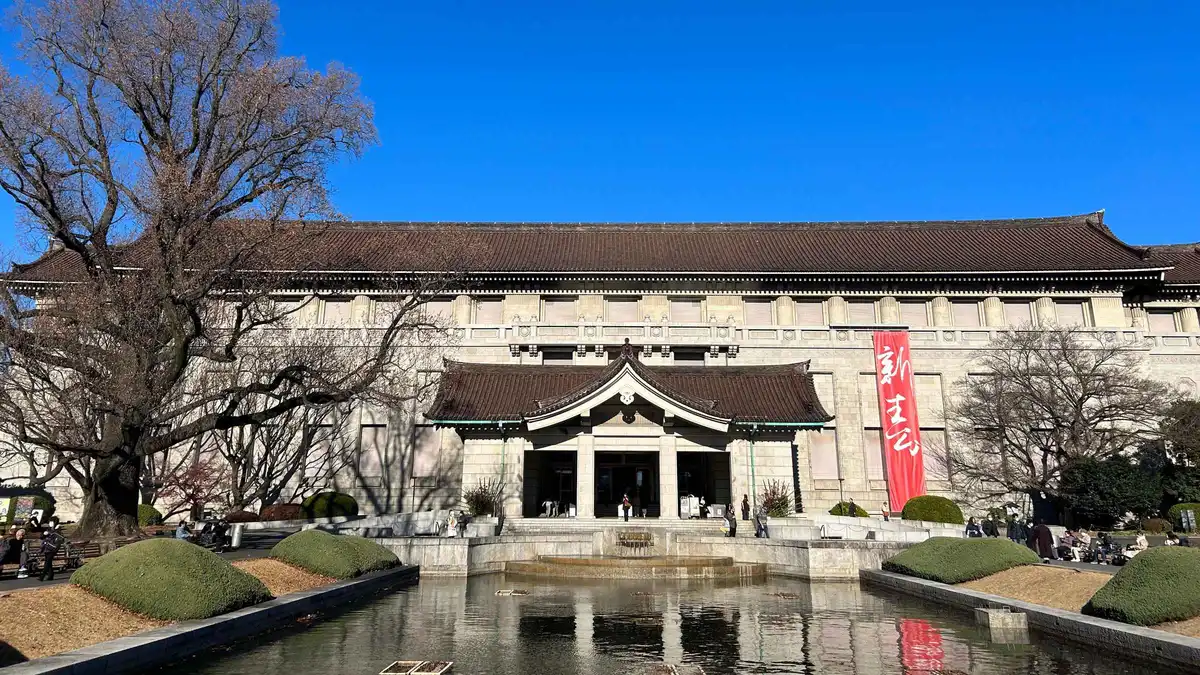
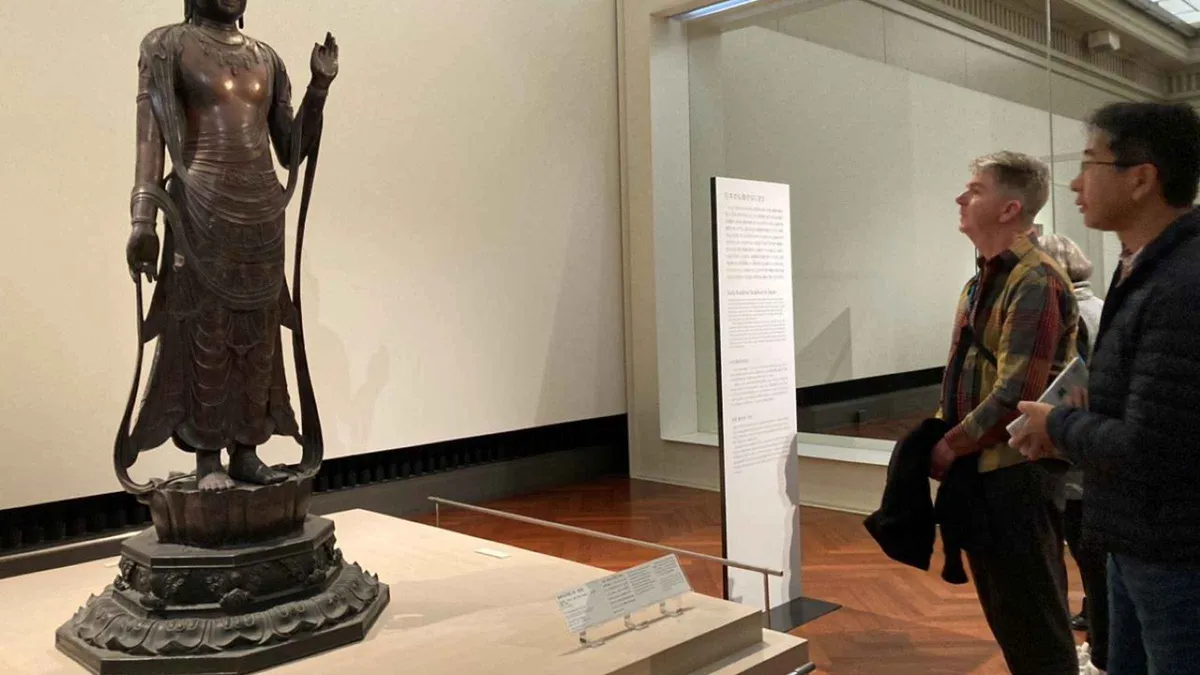
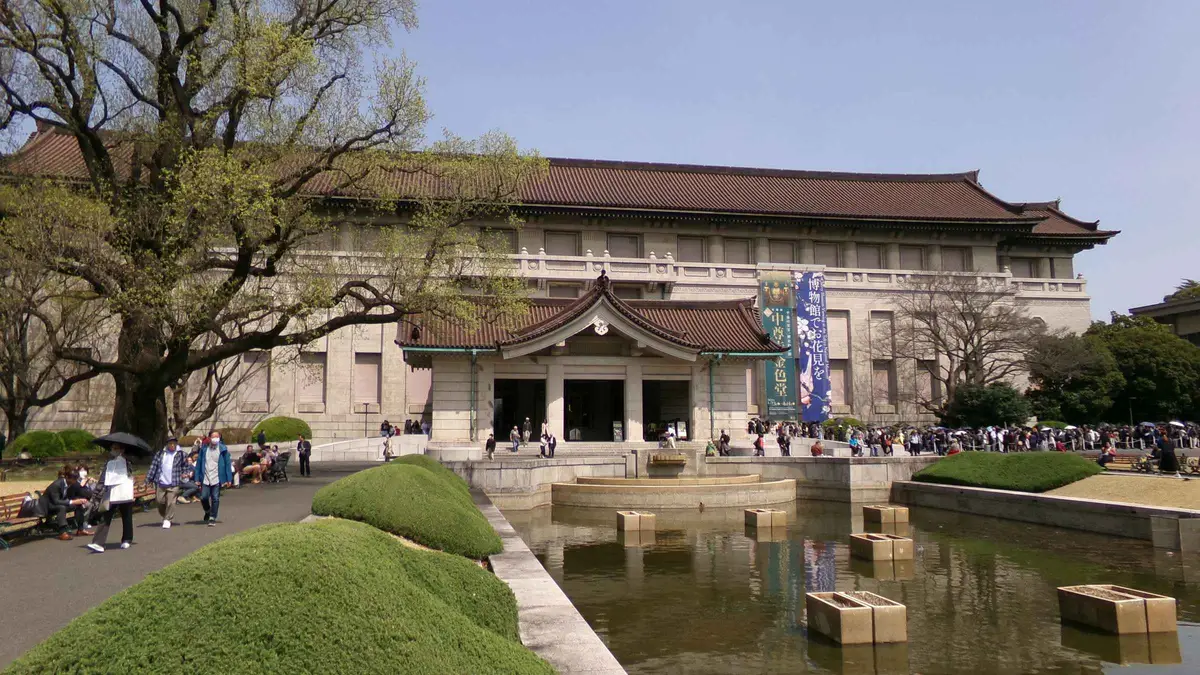
Ueno Park is Japan's museum quarter, and its anchor is the Tokyo National Museum, the oldest and largest museum in the country. The Honkan, the main Japanese Gallery, is where the icons live: National Treasure swords, samurai armor, Buddhist sculpture, kimono and ukiyo-e prints rotated through climate-controlled rooms. Admission is ¥1,000, it opens 9:30 to 17:00 Tuesday to Sunday with late Friday and Saturday evenings, and it closes on Mondays. Two focused hours in the Honkan beat five hours of trying to see all six buildings.
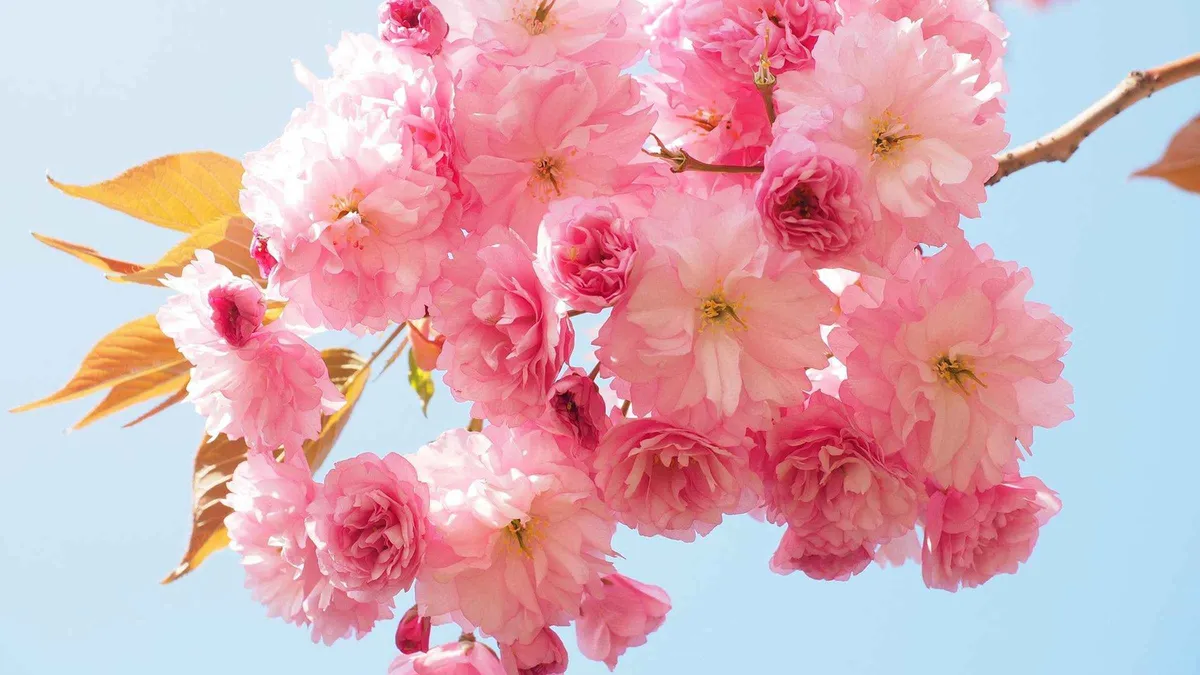
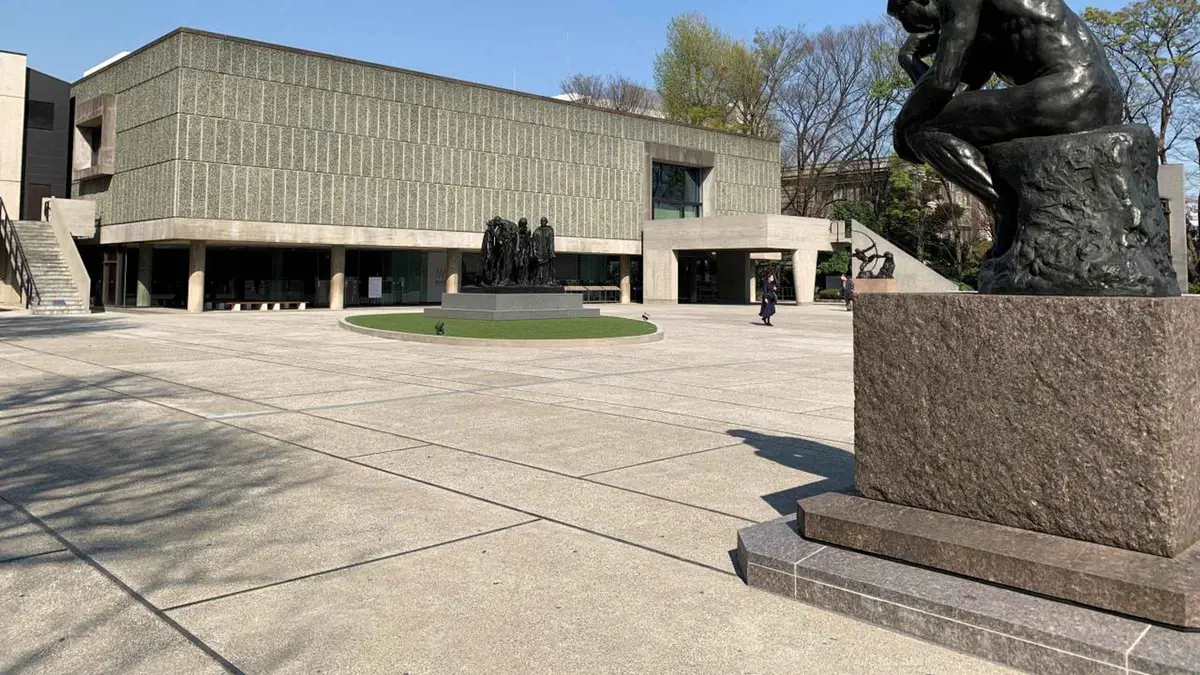
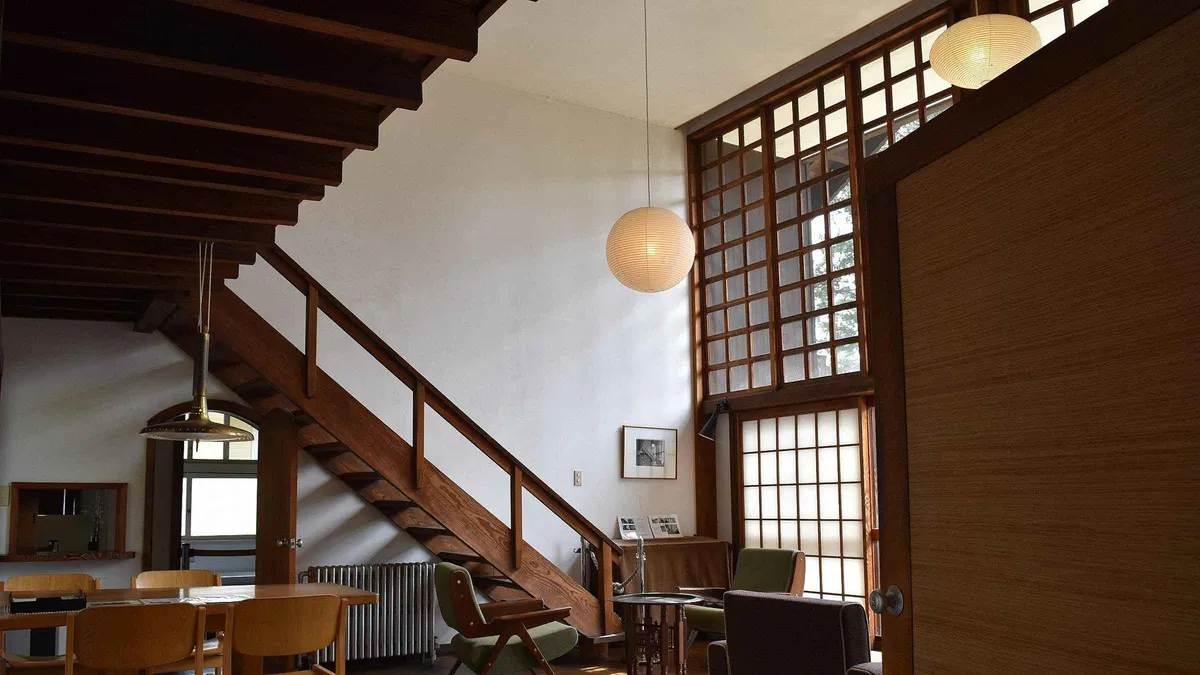
Two minutes away stands the National Museum of Western Art, a UNESCO World Heritage building by Le Corbusier with Rodin bronzes in the forecourt and Monet inside, and the collection galleries cost just ¥500. Between them, these two are the art museums in Tokyo to see first, the classical counterweight to teamLab's digital rooms. Between them, Ueno Park itself is half the reason to come: lotus ponds, temple corners, street performers and, from late March, some of Tokyo's most famous cherry blossoms. The National Museum of Nature and Science and the Shitamachi Museum round out the park if you are staying the full day.
The tours below split by depth. The private tours put a licensed guide or an ukiyo-e specialist next to you inside the National Museum, and they are the difference between looking at a sword and understanding why it is a National Treasure. The half-day options add the park walk, admission tickets and, on one, a seated Japanese tea.
江戸東京博物館 / Edo-Tokyo History Museums
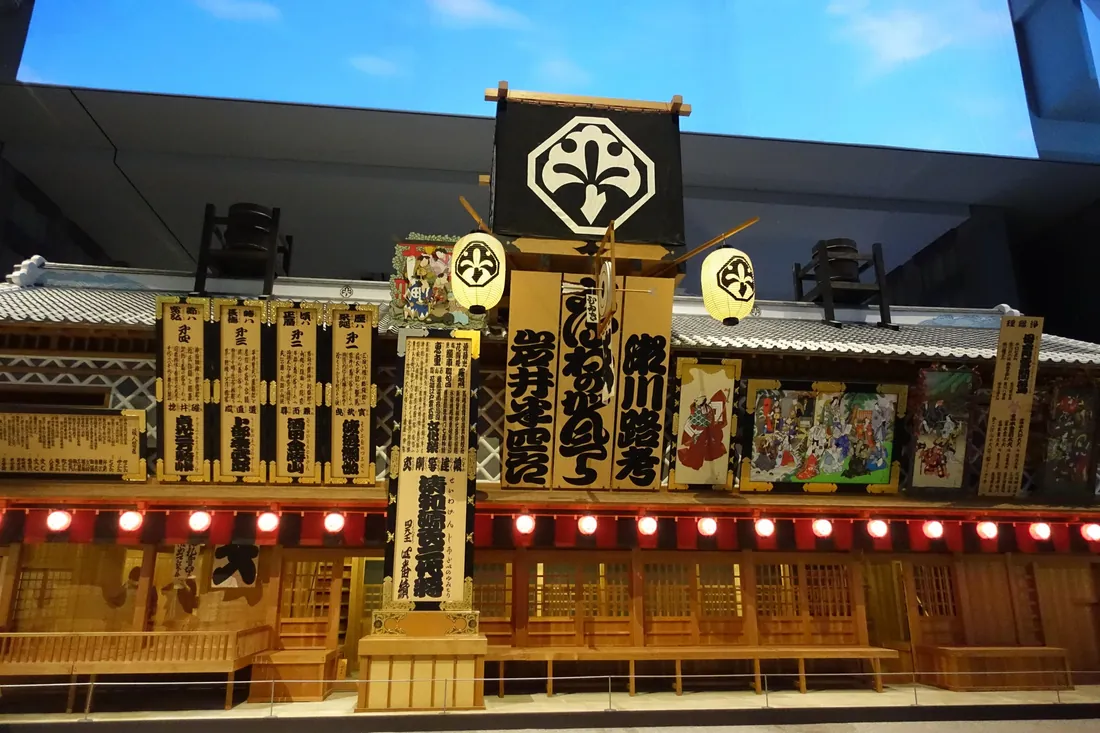
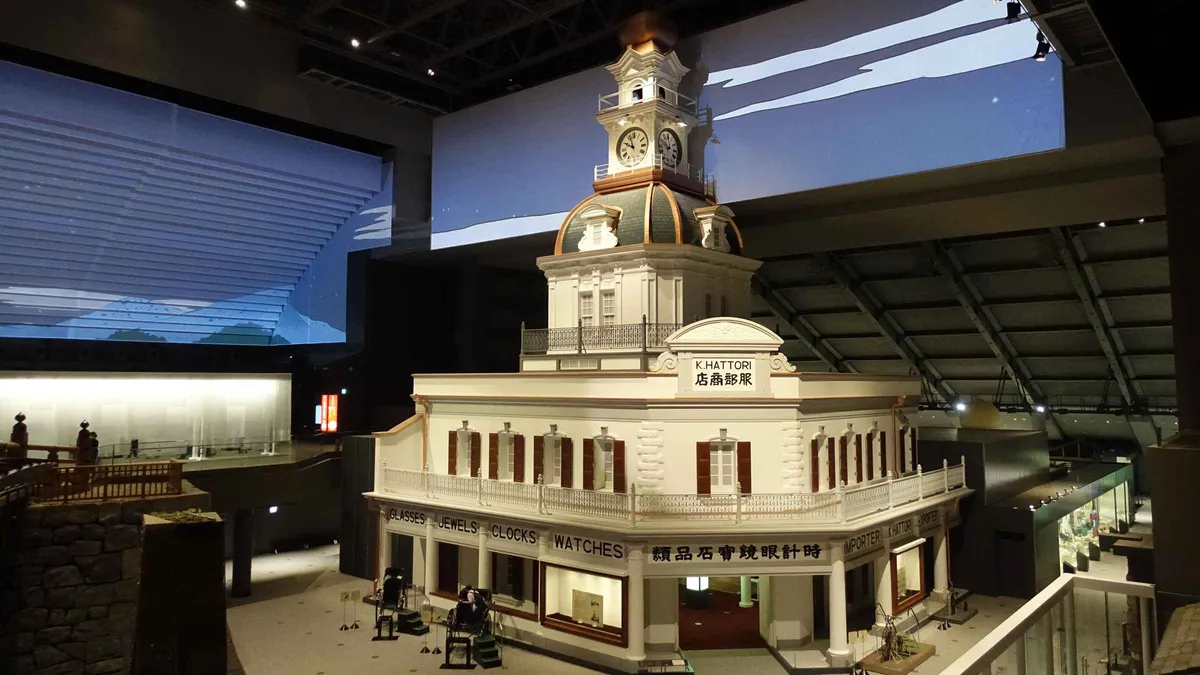
The biggest museum news in Japan this year: the Edo-Tokyo Museum in Ryogoku reopened on March 31, 2026 after a four-year renovation. It remains the best history museum in Tokyo, a vast hall where you cross a full-scale replica of Nihonbashi bridge into life-size reconstructions of Edo, with scale-model merchant districts so detailed you can pick out individual shop signs. Admission is ¥800, hours are 9:30 to 17:30 Tuesday to Sunday with Saturday evenings until 19:30, and the crowds have not yet returned to pre-closure levels, so 2026 is the year to go.
Two smaller museums complete the old-Tokyo picture. The Fukagawa Edo Museum in Kiyosumi rebuilds an entire 1840s riverside neighborhood indoors, with boats in the canal, cats on the roofs and lighting that cycles from dawn to dusk; volunteer guides walk you through the tenements for a ¥400 ticket. Out west in Koganei Park, the Edo-Tokyo Open Air Architectural Museum preserves thirty rescued buildings you can actually enter, from thatched farmhouses to the 1929 bathhouse that is said to have inspired the one in Spirited Away.
For the full arc of Japanese history, a specialist-led day trip goes to the National Museum of Japanese History, the country's largest history collection. One honest note: it sits in Sakura, Chiba, about an hour east of the city, which makes it a natural stop on the way to or from Narita Airport rather than a central-Tokyo museum.
サムライ忍者ミュージアム / Samurai & Ninja Museums
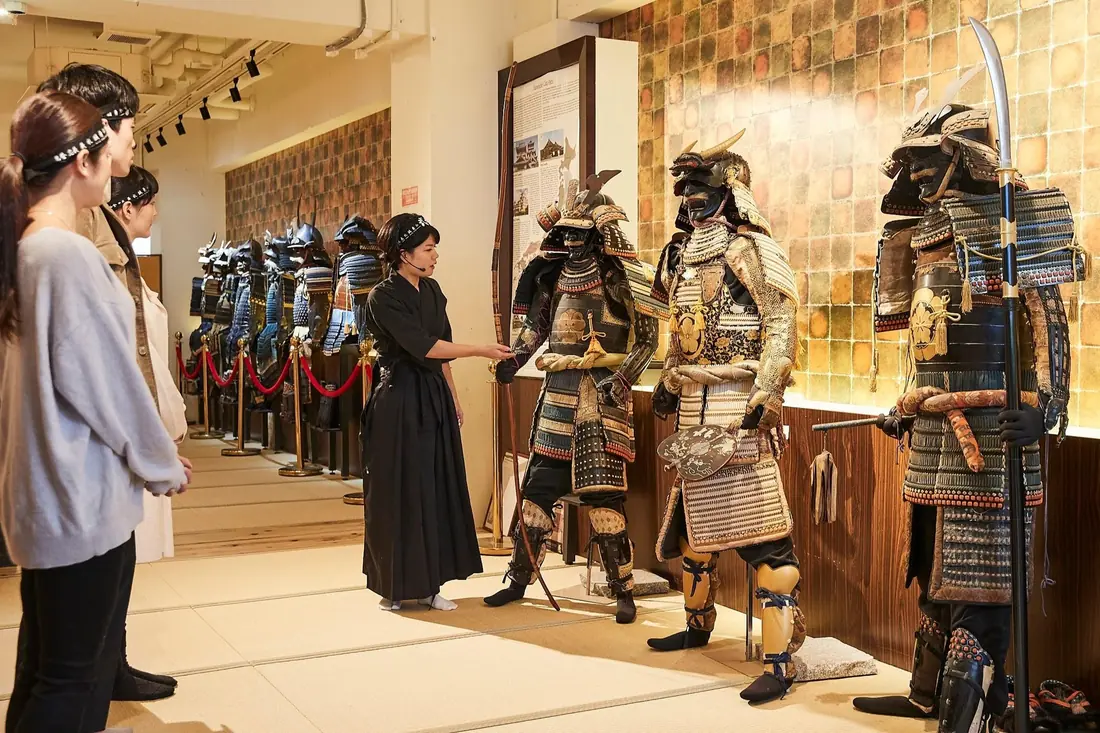
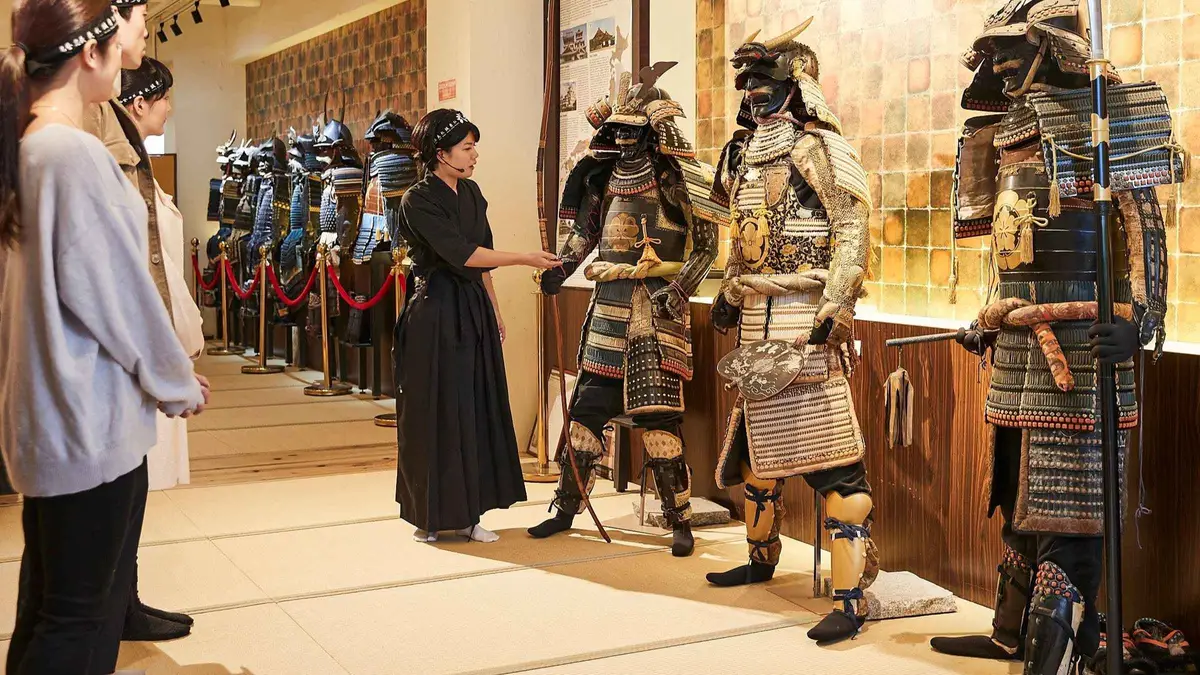
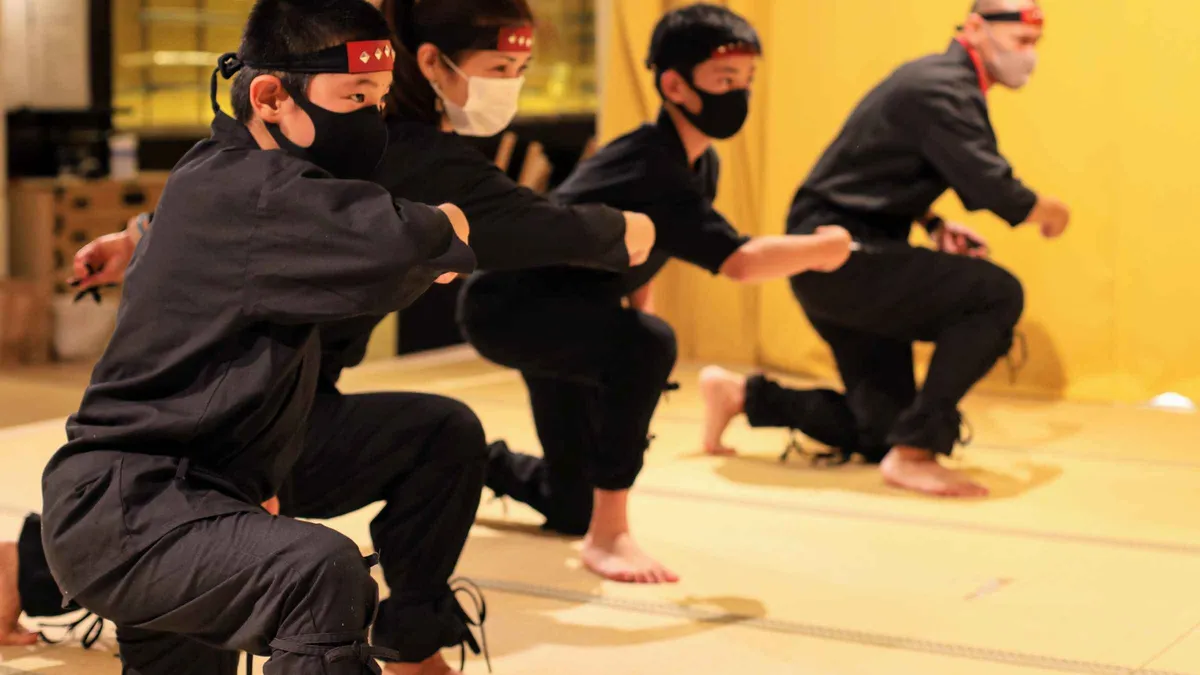
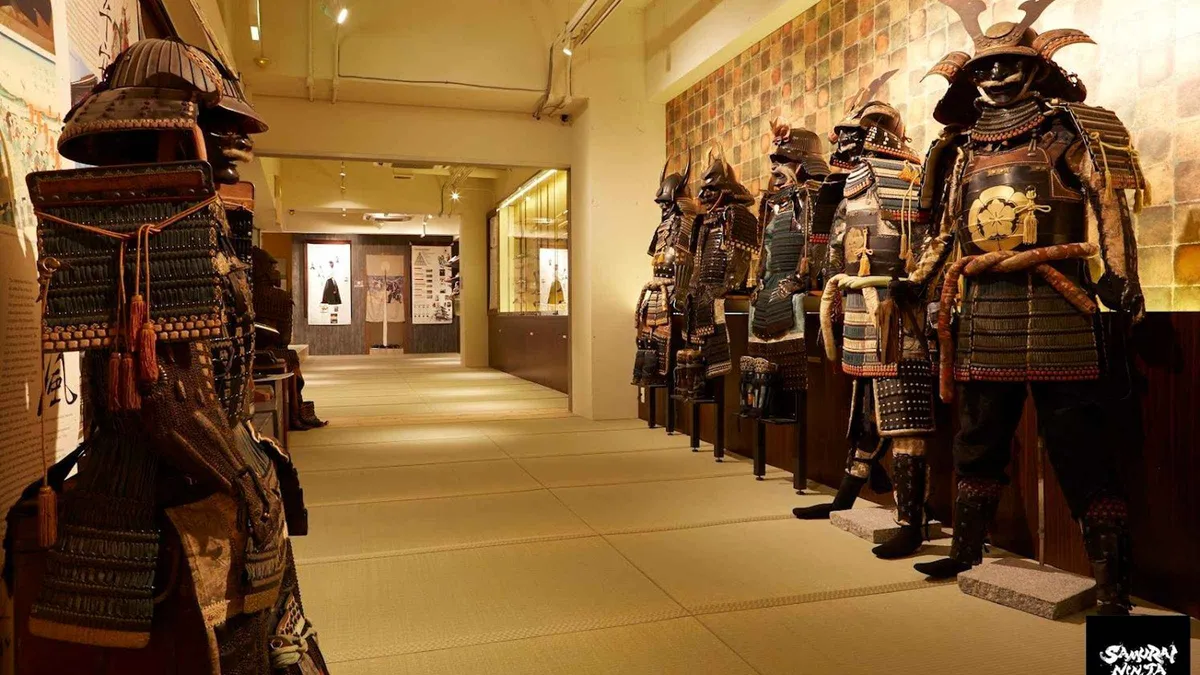
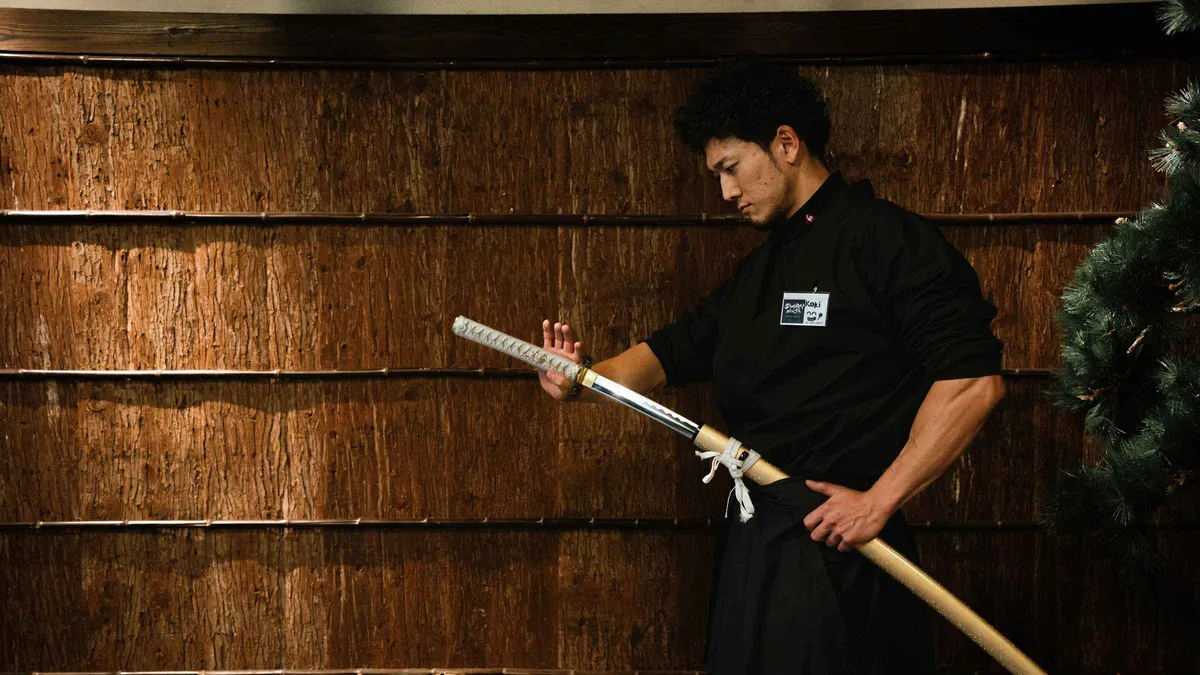
The samurai museum in Tokyo that travelers actually remember is not a row of glass cases. At the Samurai Ninja Museum, every visit is a guided tour: real Edo-period armor and blades on the walls, and then the parts you do with your hands, throwing shuriken, dressing in samurai armor for photos, and, on the upgraded experiences, a proper katana lesson in a hakama. There are two branches, the original near Asakusa and a newer one in Shinjuku, running the same format on opposite sides of the city.
The Asakusa museum sits at 1-8-13 Nishiasakusa, three minutes from Tawaramachi Station and about eight from Sensoji Temple, so it slots naturally into an Asakusa morning. It runs daily from 9:00 with tour slots every fifteen minutes, and the basic guided ticket is around ¥3,000. The Shinjuku branch keeps the same hours a short walk from the east side of Shinjuku Station, which makes it the evening option before Kabukicho or Golden Gai.
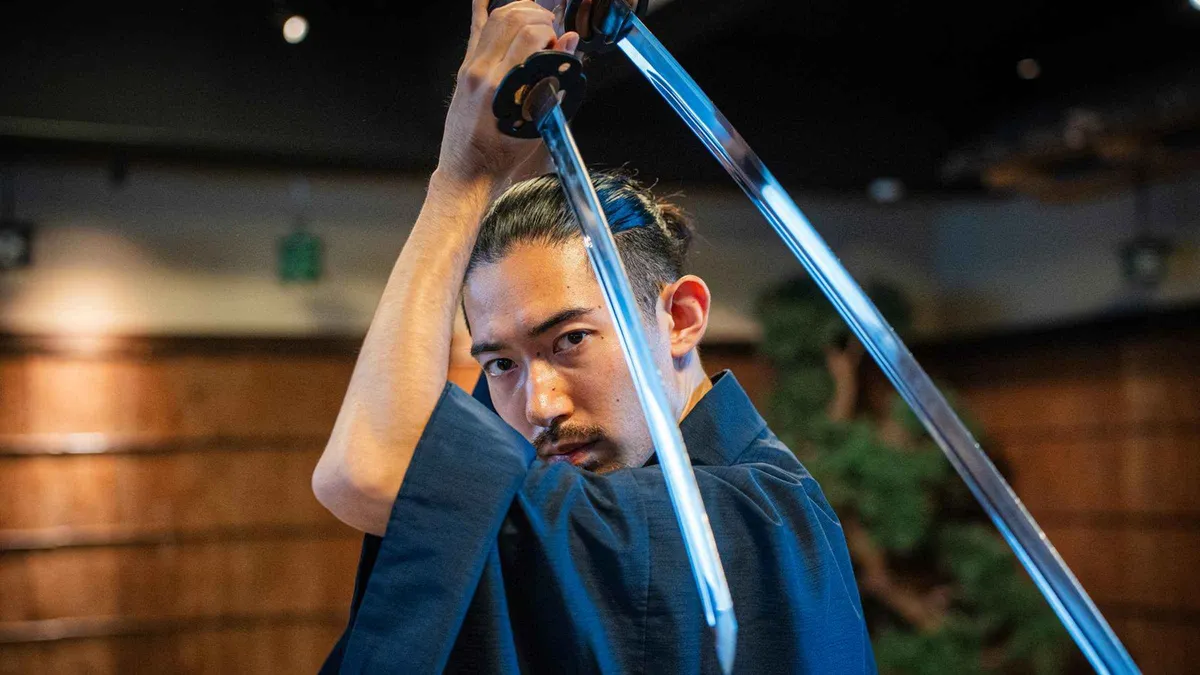
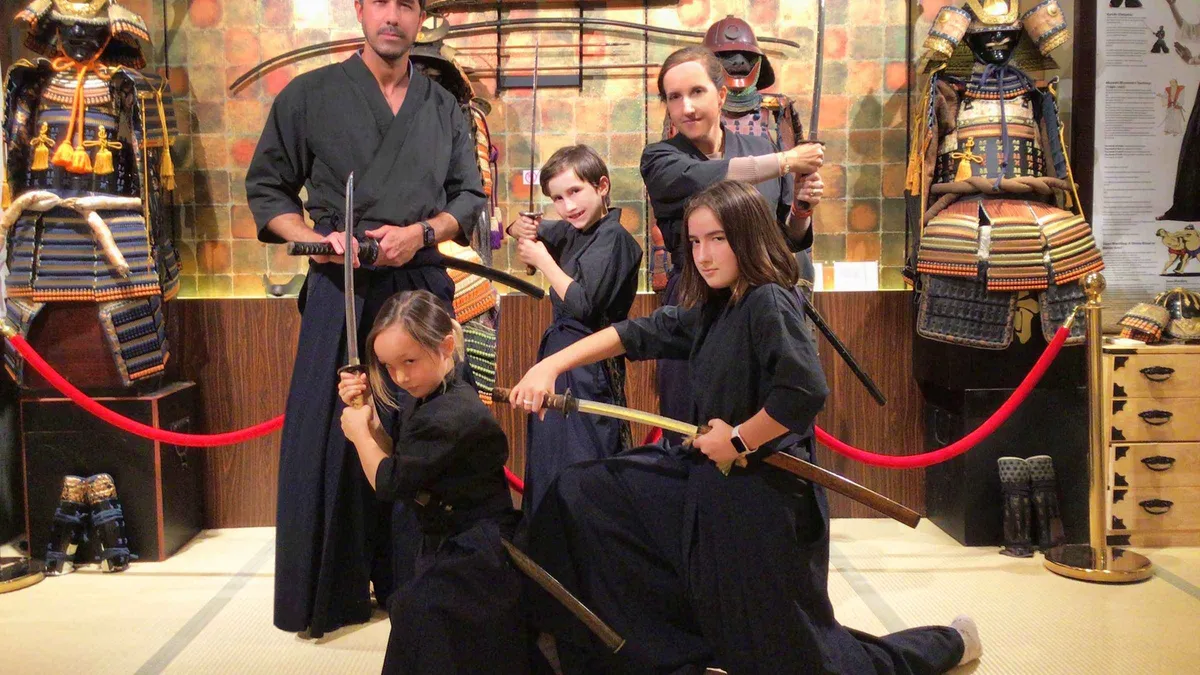
Which experience to pick is mostly about who is coming. The one-hour guided tour with ninja star throwing is the easy default for adults short on time. The two-hour sword lessons, taught seriously, with cutting form and etiquette, are the ones people rate highest. Families get their own formats: a family sword lesson where parents and kids train together, and a kid-friendly ninja class where children in full costume practice blowdarts and stealth games while absorbing more history than they realize.
三鷹の森ジブリ美術館 / Ghibli Museum & Anime Tokyo
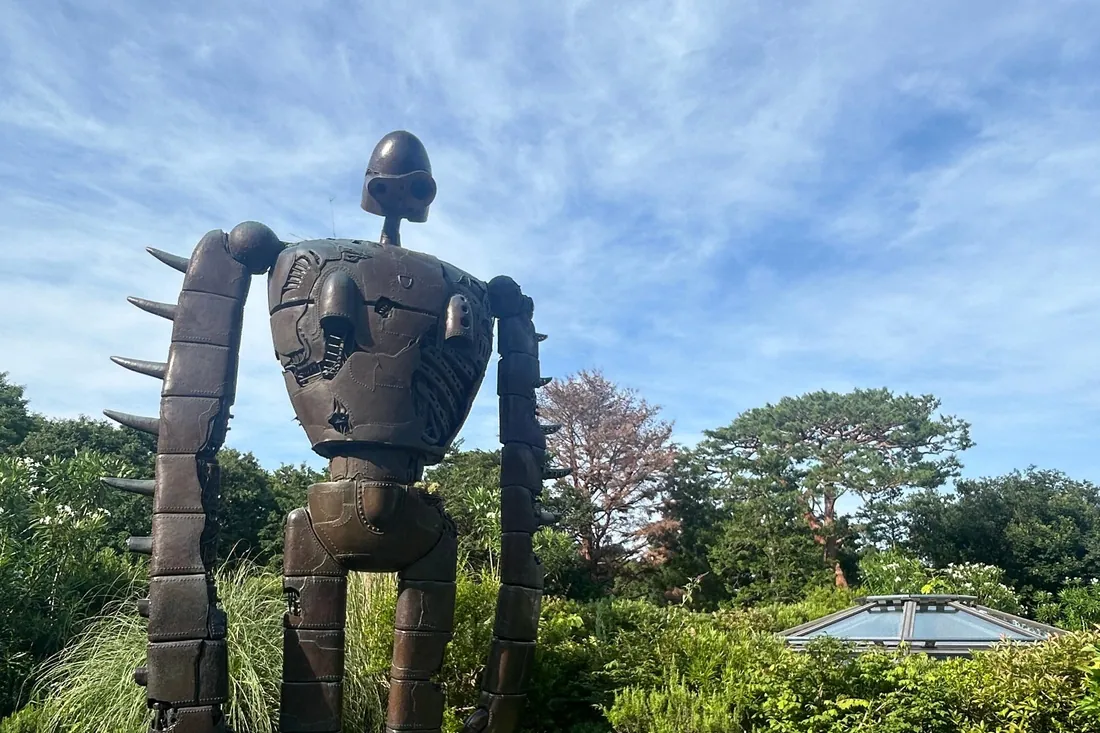
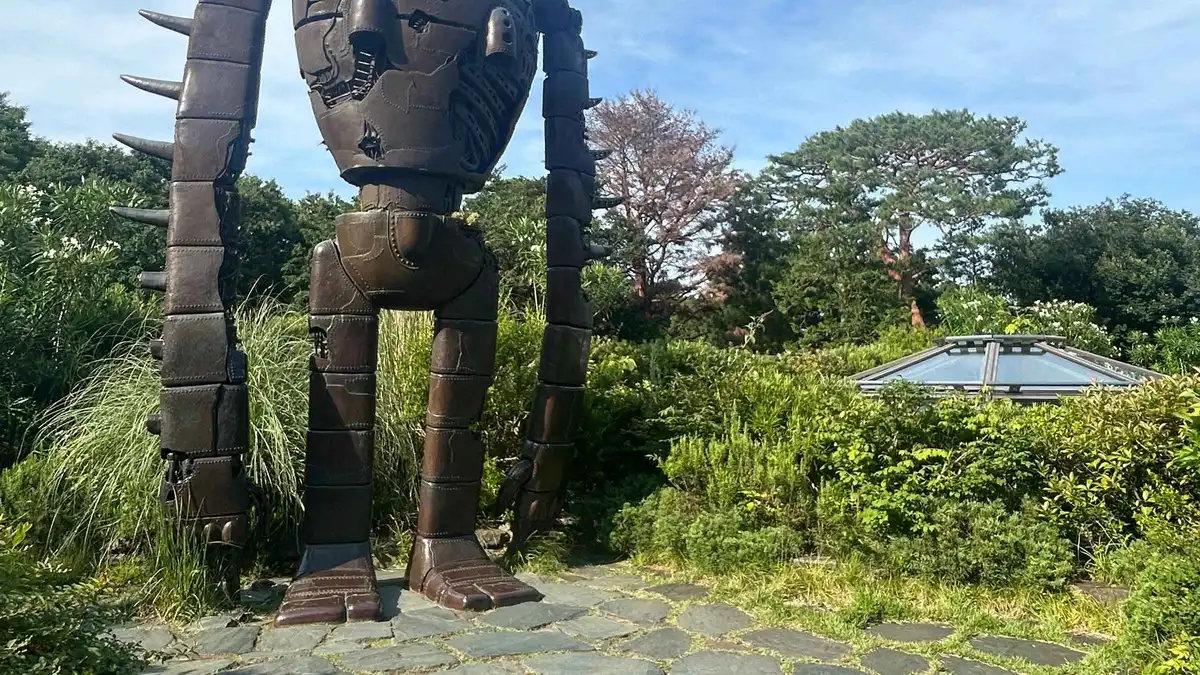
The Ghibli Museum in Mitaka is the anime museum in Tokyo everyone wants and almost no one plans correctly. Designed by Hayao Miyazaki himself, it is a hand-built storybook of crooked staircases, stained glass and a rooftop robot soldier, with a small cinema showing short films you cannot see anywhere else on earth. The ticket costs just ¥1,000, but there are no door sales at all: tickets go on sale on the 10th of each month at 10:00 Japan time for the following month and are gone within minutes, with a separate lottery for the summer holidays. The realistic route for most travelers is one of the Kichijoji tours below, both of which include the museum ticket along with a walk through the neighborhood that inspired so much of the studio's scenery.
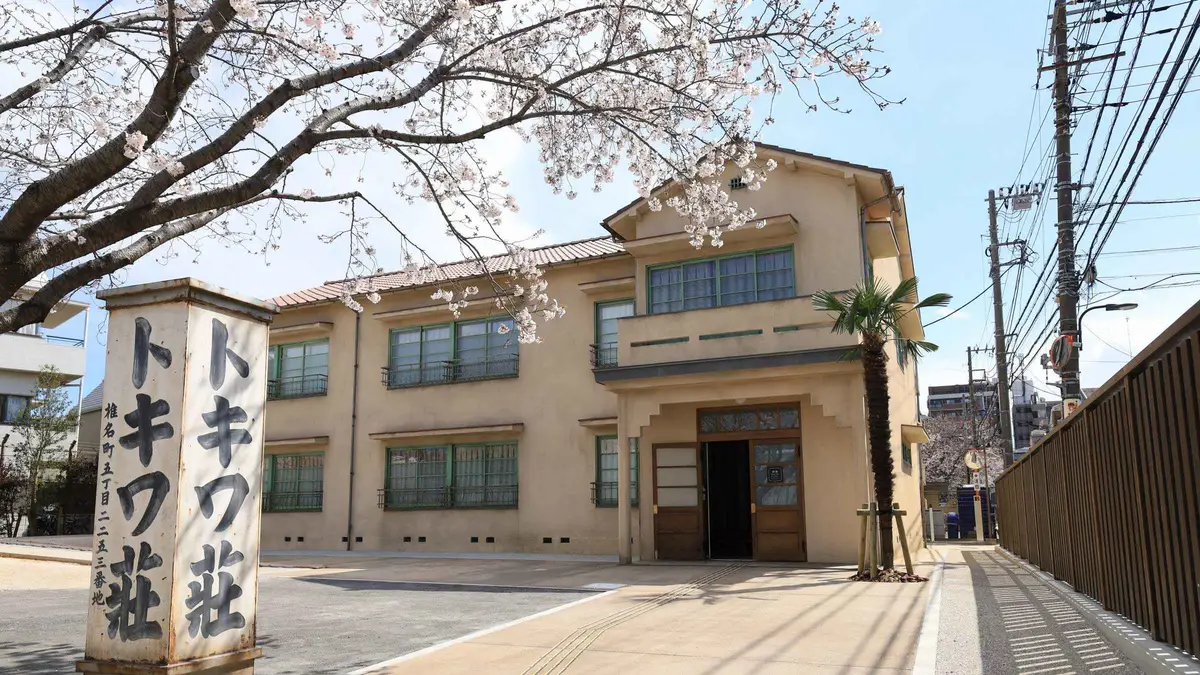
The deeper cut for anime fans is the Birthplace of Manga walk in Toshima, where Osamu Tezuka, the creators of Doraemon and half the founding generation of manga shared a cheap apartment block called Tokiwa-so in the 1950s. The rebuilt Tokiwa-so Manga Museum and the Toei Animation Museum anchor a guided walk through the actual streets where the industry began. It is quiet, specific and unforgettable if the medium matters to you.
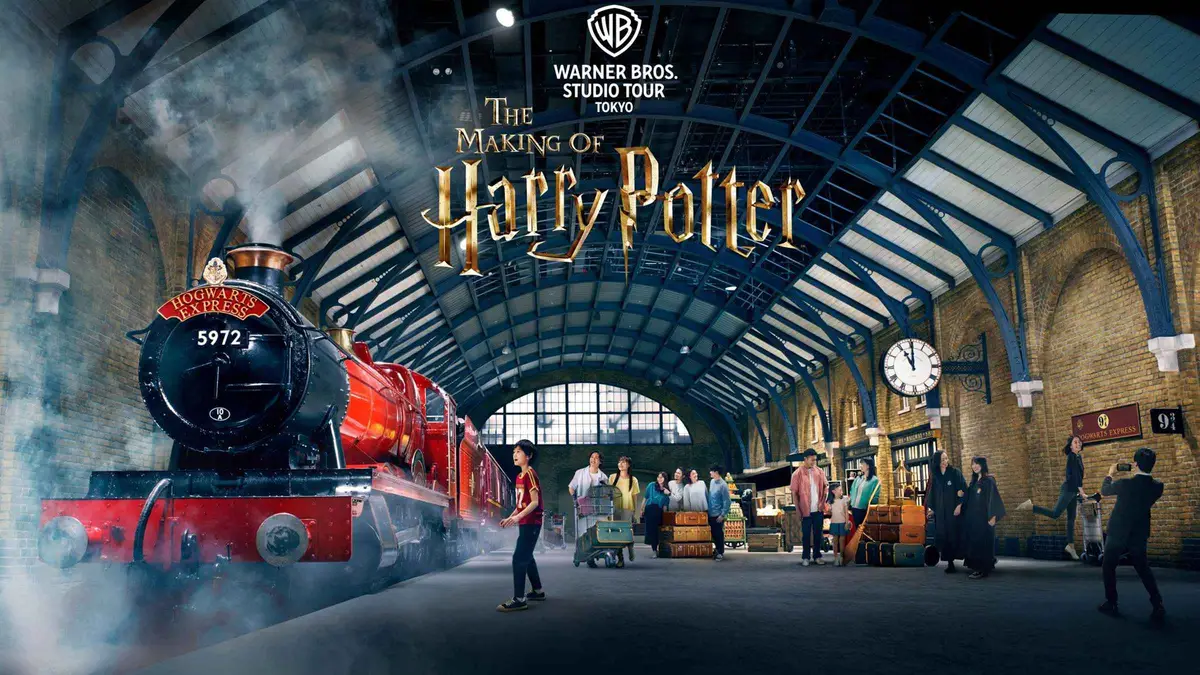
The rest of the category is blockbuster scale. Warner Bros. Studio Tour Tokyo, on the old Toshimaen park grounds, is the largest indoor Harry Potter attraction in the world, four self-paced hours through the Great Hall, Diagon Alley and Platform 9¾, with broomstick rides and Butterbeer. And for one very specific tribe, a full-day Initial D pilgrimage drives the real Mount Haruna hairpins with an automobile museum and a legendary tuning shop on the itinerary.
スモールワールズ / Small Worlds & Miniature Museums
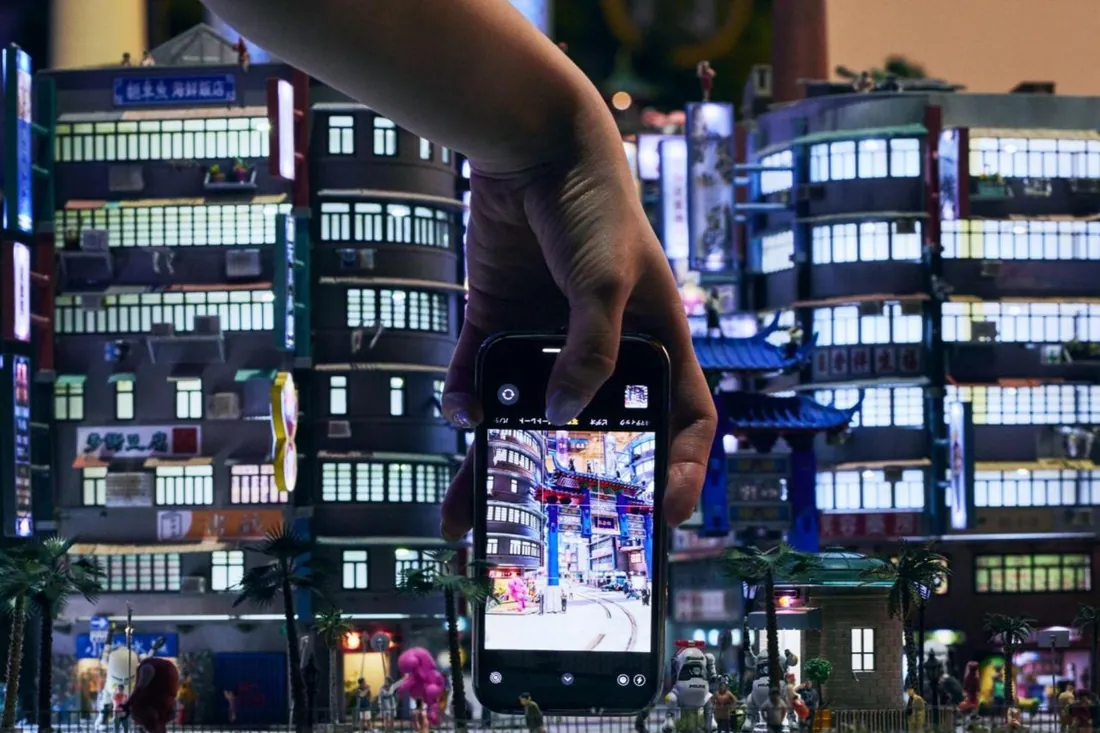
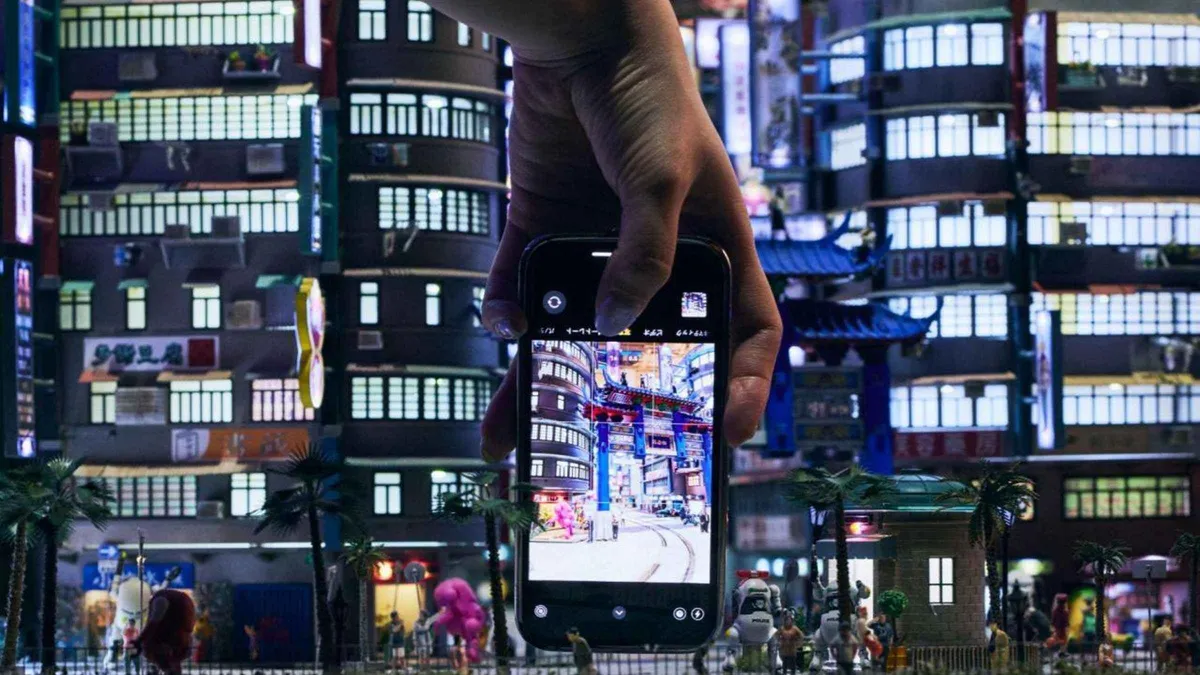
Small Worlds Tokyo in Ariake is Asia's largest miniature museum, a waterfront hall where whole worlds run at 1:80 scale: a space center that launches a rocket on schedule, Kansai International Airport with taxiing planes, an Evangelion hangar and a nostalgic Showa-era town where the streetlights come on at dusk. Every scene cycles through day and night, trains run, and the longer you look at any one square meter, the more hidden jokes the modelers left for you.
Admission is around ¥2,700 and the museum opens daily from 9:00, with most visitors spending a happy ninety minutes to two hours. The signature extra is the resident program: a 3D scanner turns you into a 1:80 figure that staff install somewhere in the diorama, which is either delightful or unsettling depending on your relationship with permanence. Either way, your miniature self stays on display long after you fly home.
It sits three minutes from Ariake-Tennis-no-Mori Station on the Yurikamome line, which matters for planning: teamLab Planets is fifteen minutes up the same line, and the two together make the perfect odaiba-side day, especially in the rain. If you want the museum decoded rather than just seen, the guided combo below adds an anime-themed cafe and a guide who knows where the best hidden details are buried.
遊就館 / Yushukan War Memorial Museum
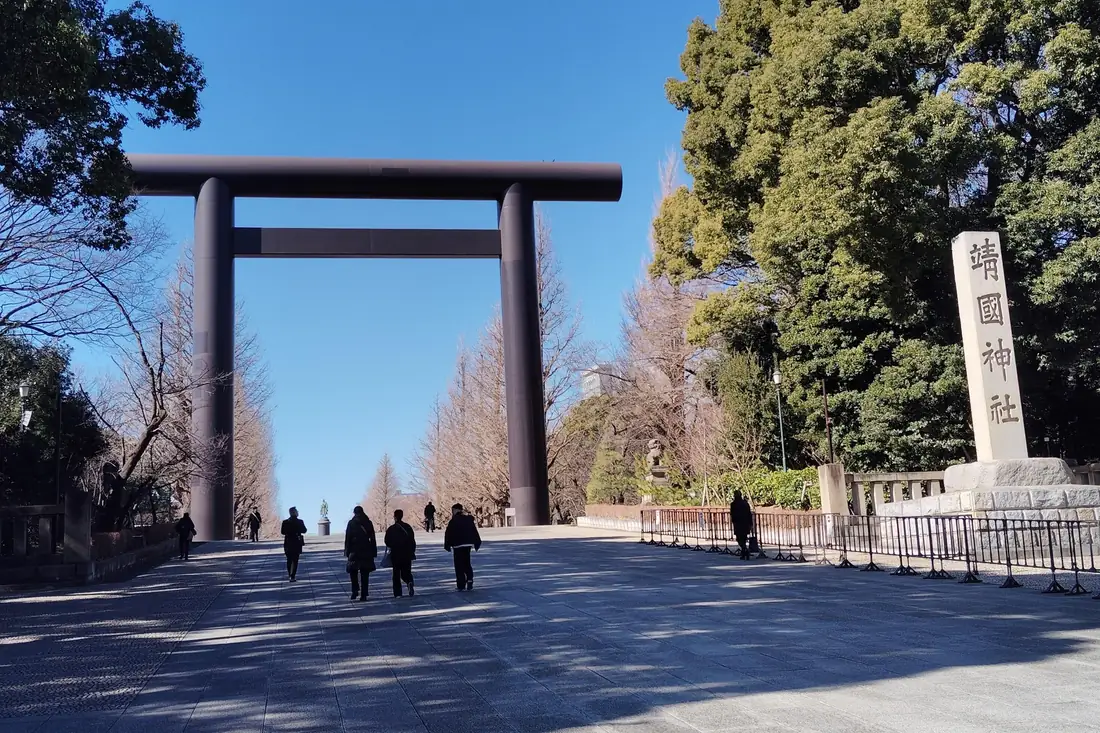
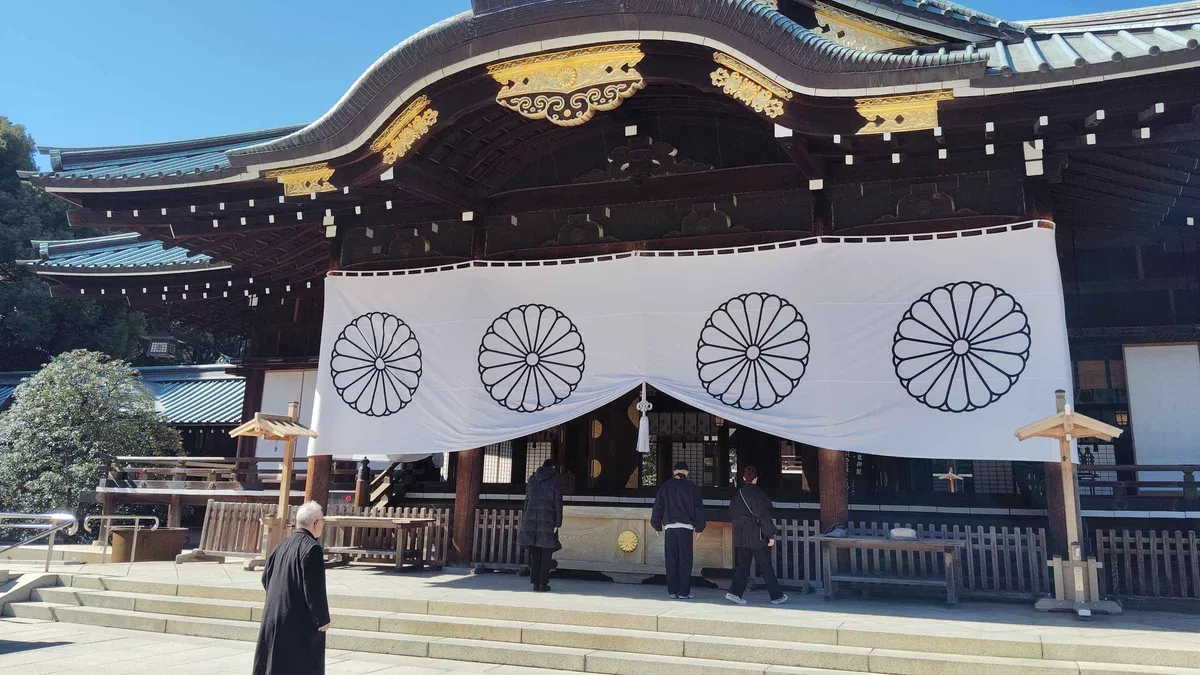
The Yushukan, on the grounds of Yasukuni Shrine in Kudanshita, is Japan's oldest war museum, founded in 1882. Its halls run from samurai armor through the Meiji wars to the Pacific War, and the artifacts are extraordinary: a restored Mitsubishi Zero fighter in the lobby, a kaiten human torpedo, artillery, uniforms, and room after room of photographs and farewell letters from young men who did not come back. It opens daily from 9:00 to 16:30 and admission is ¥1,000.
It is also, without qualification, a contested place. Yasukuni enshrines Japan's war dead, including convicted war criminals, and the Yushukan's telling of the Pacific War differs sharply from the history taught almost everywhere else, which is precisely why prime-ministerial visits to the shrine make international news. None of that is a reason to stay away; it is a reason to go informed. The museum shows, more clearly than any other building in Tokyo, how the war is remembered by those who built the shrine, and the gap between that memory and the record is itself the lesson.
This is the one museum on this page where a guide earns their fee twice over. The private tour below walks both the shrine grounds and the museum with space for exactly the questions the exhibits do not raise, and reviewers consistently single out that honesty as what made the visit worthwhile.
相撲 / Beyond the Museums: Sumo Live
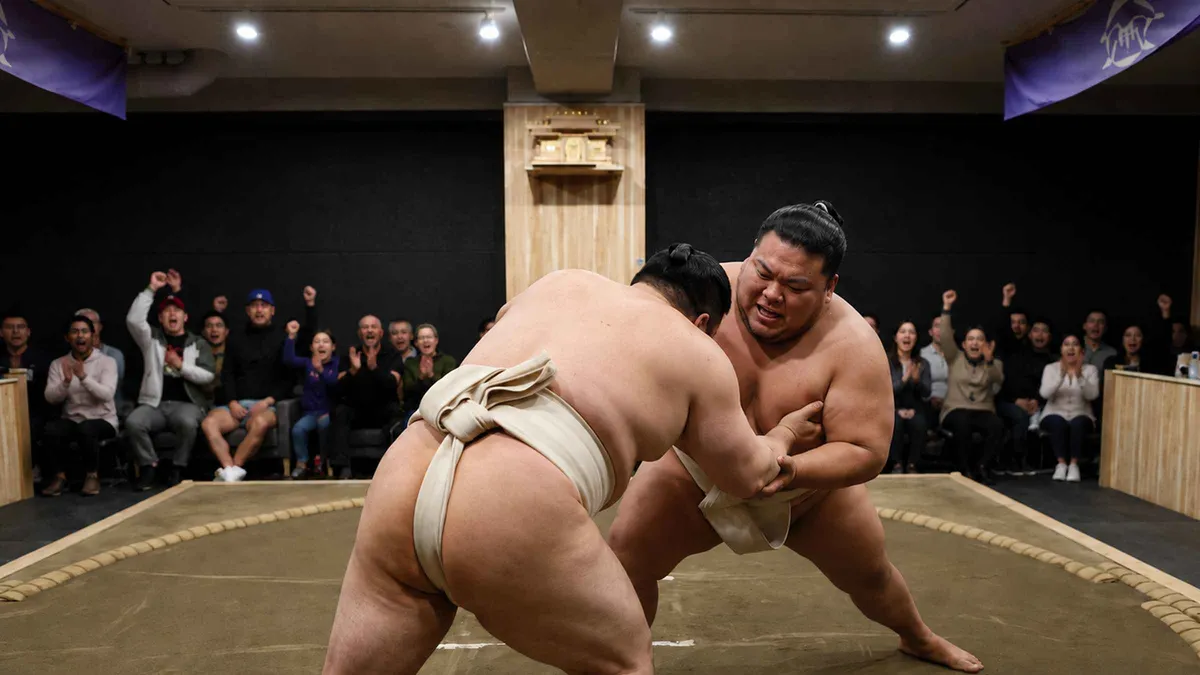
Not everything worth your time in Tokyo hangs on a wall. If the sumo exhibits at the Edo-Tokyo Museum leave you wanting the real thing, two experiences put you a few meters from it. The Shibuya sumo show stages live bouts in ninety minutes, with a chance to step into the ring against a wrestler afterwards, and the family workshop goes further: wrestlers teach the stomps and slaps, fight a full-power bout in front of you, then share chanko nabe, the hot pot sumo stables actually eat. Both run year-round, which matters because real tournaments visit Tokyo only three times a year, in January, May and September.
Think of this section as the field trip after the museum: the same culture the exhibits preserve, still alive and taking bookings.
 from $22