What Is the Yushukan Museum at Yasukuni Shrine?
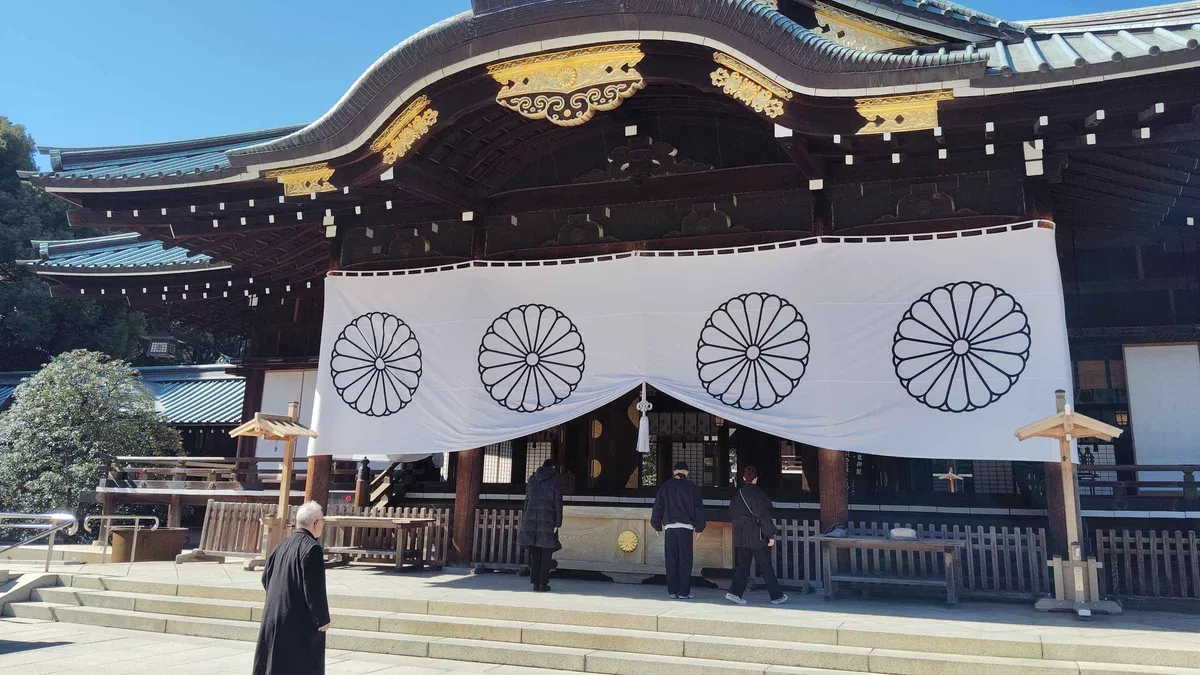
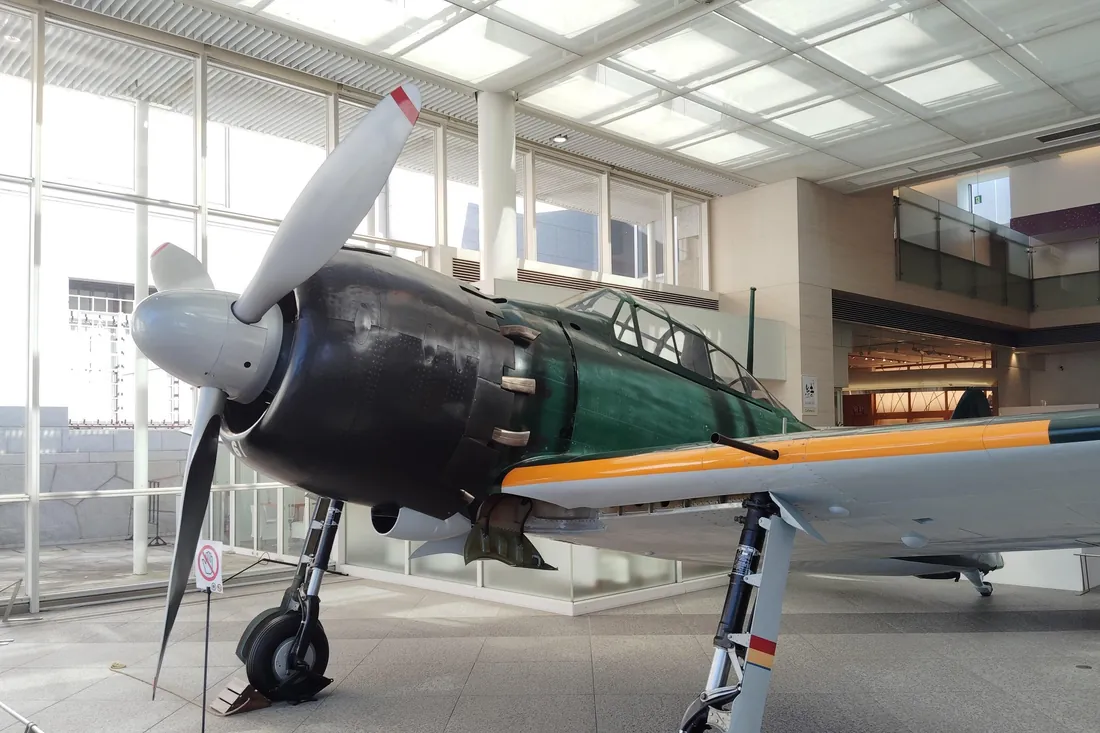
The Yushukan sits inside Yasukuni Shrine in Chiyoda City, and it is Japan's oldest war museum, opened in 1882. A restored Mitsubishi Zero fighter greets you in the entrance hall, then the galleries move through uniforms, artillery, and letters written by soldiers and kamikaze pilots on their last day. The site is also openly contested, since Yasukuni enshrines Japan's war dead including convicted war criminals, so it helps to know what you are walking into before you go.
About This Experience
3-1-1 Kudankita, Chiyoda City, on the Yasukuni Shrine grounds
Kudanshita exit 1 (Tozai, Hanzomon, Toei Shinjuku lines), 5-minute walk
Daily 9:00-16:30, last entry 16:00
¥1,000 for the Yushukan; shrine grounds free
3 hours with a private guide
Restricted in parts of the museum
Check Live Availability & Prices
Check current prices and open time slots for the Yasukuni Shrine and Yushukan museum tour below.
Is the Yushukan Museum Worth It?
The Yushukan museum rewards visitors who have a genuine interest in wartime history and the patience to sit with material that is heavy and, in places, one-sided. The private tour on this page runs $69 for 3 hours and is rated 4.2 from 13 reviews, and past visitors consistently mention guides who stay measured under pressure and answer hard questions honestly instead of deflecting them.
This is also a contested site, and it is worth stating plainly: Yasukuni Shrine enshrines Japan's war dead, including convicted war criminals, and the Yushukan's account of the Pacific War differs sharply from the history taught outside Japan. A good guide does not smooth over that gap. The real value of a guided visit here is hearing it addressed directly rather than walking the rooms with no context at all.
If you would rather start with a lighter museum morning, or want a civilian-side account of the same period, the quieter side of Tokyo's museums covers everything from miniature-scale Tokyo to a rebuilt Edo neighborhood, no guide required for either.
What You'll See
The collection moves from restored aircraft to handwritten letters, and most first-time visitors end up spending more time in the reading rooms than they planned for:
- The restored Mitsubishi Zero fighter in the entrance hall
- A kaiten human torpedo from the war's final year
- Artillery pieces and captured wartime equipment
- Uniforms worn by Imperial Japanese Army and Navy personnel
- Rooms of photographs documenting the Pacific War
- Farewell letters from soldiers and kamikaze pilots, partly translated
- The Yasukuni Shrine grounds surrounding the museum, free to enter
How a Visit Flows
-
Before you go
Read up on the context
Spend a little time beforehand on the history of Yasukuni Shrine, since the Yushukan's telling of the Pacific War differs from what most visitors learned in school.
-
On arrival
Walk in through the shrine grounds
Exit Kudanshita Station and walk the five minutes through the torii gates and shrine precinct before reaching the museum entrance.
-
First stop
The Zero fighter in the entrance hall
The restored Mitsubishi Zero fighter sits in the lobby, the first thing every visitor sees on the way in.
-
Next
Galleries of uniforms and artillery
Move through the chronological galleries of uniforms, artillery, and captured equipment from across the Pacific War.
-
Midway
The letters rooms
Set aside real time for the rooms of farewell letters from soldiers and kamikaze pilots; many visitors find these the most affecting part of the museum.
-
Before you leave
Back to the shrine grounds
Step back outside to the shrine grounds, free to enter, before heading toward Kudanshita Station.
Know Before You Go
Not suitable for
- Young children, given the heavy wartime subject matter
- Visitors expecting a neutral, textbook account of the Pacific War
- A rushed stop; the letters rooms alone deserve unhurried time
What to bring
- Comfortable shoes for the shrine grounds and museum together
- A valid photo ID
- Modest, respectful dress, since Yasukuni remains an active place of worship
- Cash in yen in case the ¥1,000 museum admission is paid separately
Not allowed
- Photography in the sections of the museum where it is restricted
- Loud conversation or disruptive behavior on the shrine grounds
- Food and drink inside the museum galleries
Insider Tips
A few things make a Yushukan museum visit easier to navigate:
- Go with a guide if the historical context matters to you; reviewers say the good ones do not shy from hard questions
- Arrive well before the 16:00 last entry, since the museum itself closes at 16:30
- Set aside real time for the letters rooms rather than treating them as a quick pass-through
- Dress and behave as you would at any active shrine, not only a museum
- Pair the visit with the nearby National Showa Memorial Museum for a civilian-side counterpoint
- Expect some rooms to be only partly translated into English
Where You're Headed
Yushukan Museum FAQ
Why is Yasukuni Shrine controversial?
Yasukuni Shrine enshrines Japan's war dead, including convicted war criminals, and the Yushukan museum's account of the Pacific War differs sharply from mainstream history outside Japan, which keeps the site a point of diplomatic tension.
Is the Yushukan museum worth visiting?
For visitors with a genuine interest in wartime history who are willing to weigh a one-sided account against what they already know, yes; it is Japan's oldest war museum and includes a restored Mitsubishi Zero fighter and rooms of soldiers' letters.
Do you need a guide for the Yushukan museum?
A guide is not required, but the $69 private tour on this page is rated 4.2 from 13 reviews, and past visitors specifically credit guides who address the museum's contested history honestly rather than ignoring it.
Can you visit Yasukuni Shrine for free?
Yes, the shrine grounds are free to enter; only the Yushukan museum itself charges admission, around ¥1,000.
Is the Yushukan museum appropriate for children?
It is heavy material, including wartime letters and imagery, and is not recommended for young children.
What Visitors Say
Our guide did not dodge a single question we asked about Yasukuni's history. That honesty made the whole visit worth it.
Heavy morning, but I am glad we went with a guide instead of walking through alone. The Zero fighter in the entrance hall is unforgettable.
The letters from the kamikaze pilots stayed with me for days. Our guide gave context I would never have picked up on my own.