Which Sumo Show Tokyo Should You Book?
Every sumo show Tokyo offers today is staged, not tournament sumo, since grand tournaments only come to the city three weeks a year, in January, May and September. Real wrestlers still lead these shows, teaching the stomps and slaps that open a bout before staging a full-power match. Two versions sit on this page: a family workshop with lunch, and a quicker evening show in Shibuya.

About This Experience
Central Tokyo halls; the exact venue for either show is confirmed only once you book, so no address is published in advance.
Unlike grand tournament sumo, a sumo show Tokyo runs daily, all year, so there is no date to plan a trip around.
$62 for the family workshop with chanko lunch, $31 for the Shibuya show.
2 hours for the family workshop, 1.5 hours for the Shibuya show.
The workshop is built for families and kids; the Shibuya show suits anyone short on time or looking for the lower price.
Both shows end with a photo opportunity next to a wrestler after the bout.
Check Live Availability & Prices
See current dates and seat counts for the family sumo workshop below.
Which Sumo Show Tokyo to Pick
The family sumo workshop ($62, 4.9 rating from 408 reviews) is the fuller experience: wrestlers teach you the stomps and slaps that open every real bout, then stage a full-power match before sitting everyone down to chanko-nabe, the hot pot sumo stables eat daily. Two hours, and it reads as the highest-rated family activity in this collection.
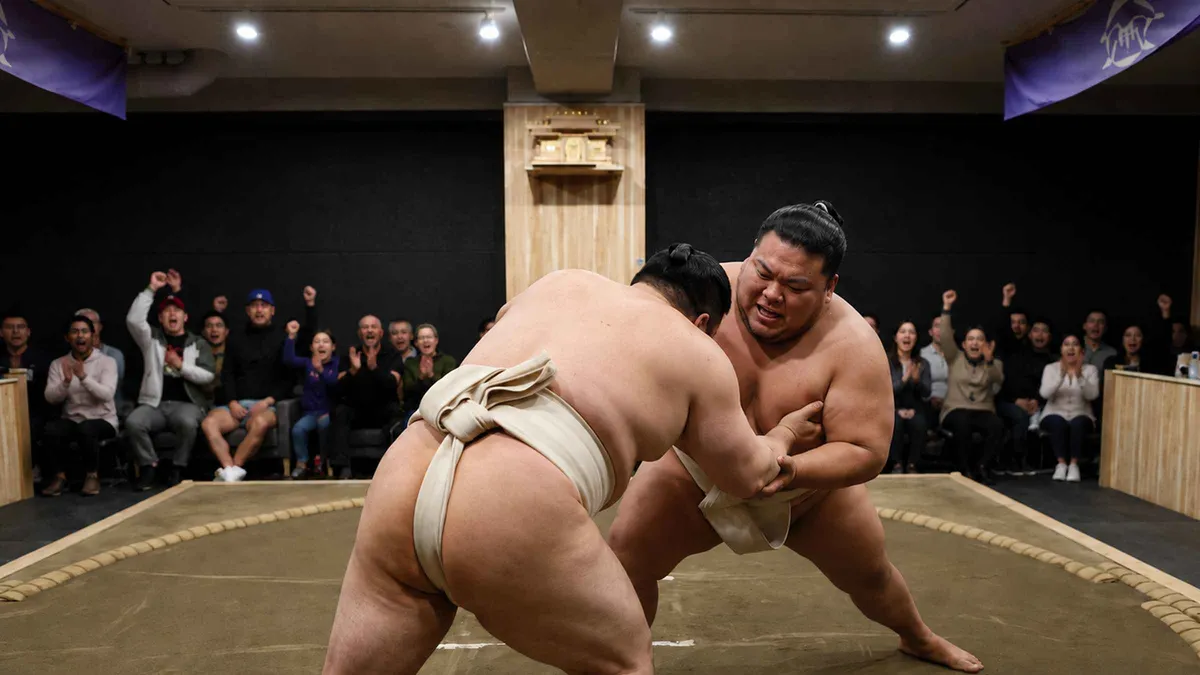
The Shibuya sumo show ($31, a new listing) is the fast version: 1.5 hours of live bouts in a central hall, with an invitation to step into the ring against a wrestler and photos afterward. No lunch, no workshop, just the spectacle.
Pick the workshop if you have a free afternoon and want kids involved past just watching. Pick the Shibuya show if your evening is already built around Shibuya, or you want the lower price. Neither replaces a real tournament at the Ryogoku Kokugikan, which runs only three weeks a year; if this page came up while you were mapping out museums, you can head back to our Tokyo museum guide and treat either show as the cultural stop those trips leave out.
Both Shows at a Glance
Compare the family workshop and the Shibuya show side by side.
from $62 Family Sumo Workshop & Live Show with Chanko Lunch
Wrestlers teach the stomps and slaps, stage a full-power bout, then sit everyone down for chanko hot pot, the stew sumo stables actually eat. The highest-rated family activity…
- Hands-on sumo lesson for all ages
- Live bout by real wrestlers
- Chanko hot pot lunch included
 from $31
 Shibuya Sumo Show with Experience & Photo
Live sumo bouts in a Shibuya hall, followed by the chance to step into the ring against a wrestler and take photos. Not a museum, but if the…
- Live sumo matches in Shibuya
- Step into the ring yourself
- Photos with the wrestlers
What You'll See
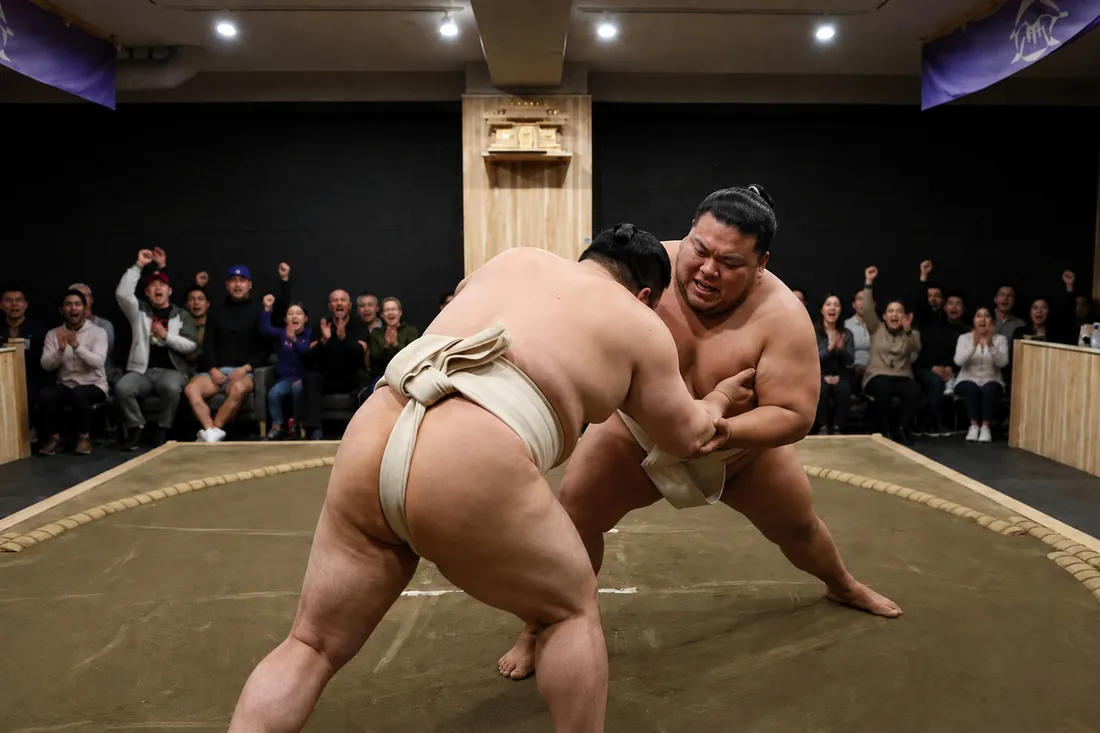
Both shows put you close enough to feel the stomps land. Expect these moments in the ring:
- The shiko leg stomp that opens every bout, taught hands-on in the workshop
- A full-power bout between two wrestlers, no scripting
- The chance to step into the ring yourself and push against a wrestler
- A group photo with the wrestlers in their mawashi
- Chanko-nabe hot pot, the same stew sumo stables eat daily (workshop only)
- Kids joining the stomps and slaps alongside the adults
- A wrestler explaining the etiquette behind the salt-throwing and the bow
How a Visit Flows
-
Before you go
Pick your show
Decide between the two-hour family workshop with lunch and the 1.5-hour Shibuya show before you land; either one confirms its exact venue only once you book.
-
On arrival
Check in at the hall
Arrive with time to spare. Staff seat the group and explain what happens before the wrestlers take the ring.
-
First stop
Learn the moves
In the family workshop, a wrestler walks the group through the shiko stomp and slap drills before anyone touches the ring. The Shibuya show moves straight to seats.
-
Next
Watch the bout
Two wrestlers face off at full strength. It is louder and faster than television makes it look.
-
Then
Step into the ring
Both shows invite a volunteer or two into the ring to push against a wrestler, followed by photos.
-
Before you leave
Sit down to chanko
The family workshop closes with a chanko-nabe lunch alongside the wrestlers; the Shibuya show ends at the photo.
Know Before You Go
Not suitable for
- Anyone expecting a real tournament bout; this is a staged show, not the Ryogoku Kokugikan
- Travelers who want a silent, hands-off viewing experience rather than a participatory one
- Anyone unable to sit through 1.5 to 2 hours in a warm hall
What to bring
- Comfortable clothes you can move in if you plan to join the workshop drills
- A camera or phone for the photo moment with the wrestlers
- An appetite, since the workshop lunch is a full chanko-nabe meal
- A light layer, since the hall can run warm once the bout starts
Not allowed
- Flash photography during the bout itself
- Touching the wrestlers outside the arranged photo moment
- Outside food brought in during the chanko lunch service
Insider Tips
A few things make either show better.
- Book the family workshop if kids are along; it is built for hands-on participation, not just watching
- Choose the Shibuya show if your evening is already anchored around Shibuya or Kabukicho
- Arrive hungry if you book the workshop: chanko-nabe is a full meal, not a snack
- Treat either show as a Monday plan, since both run daily while some Tokyo museums close
- Pair a show with the free Sumo Museum at the Ryogoku Kokugikan if you also want the tournament history
- Skip trying to time a trip around a real tournament unless your dates already fall in January, May or September
Where You're Headed
Sumo Show Tokyo FAQ
When are the real sumo tournaments in Tokyo?
Grand tournaments come to the Ryogoku Kokugikan three times a year, in January, May and September. Outside those weeks, a staged show is how most visitors see sumo up close.
Is a sumo show worth it if you cannot catch a real tournament?
Yes for most travelers. You get a full-power bout from real wrestlers, a photo, and, with the workshop, a shared meal that tournament seats do not offer.
Which option is better for families?
The family sumo workshop, rated 4.9 from 408 reviews. It is built for hands-on participation and ends with a chanko-nabe lunch everyone can eat together.
What is chanko-nabe?
The hot pot stew sumo stables eat daily to build strength, usually meat, fish, tofu and vegetables in broth. The family workshop serves it as lunch.
Can you actually enter the ring?
Both shows invite a volunteer or two to step in and push against a wrestler, followed by photos.
How long do the shows run?
The family workshop runs about 2 hours including lunch. The Shibuya show runs about 1.5 hours.
What Visitors Say
Our kids got to push against an actual wrestler and could not stop talking about it. The chanko lunch afterward was the surprise hit of the day.
We only had one evening free in Shibuya and this fit perfectly before dinner. The bout was faster and louder than I expected from a small hall.
Good value at this price, and the wrestler who taught the stomps was patient with my son who kept getting the footwork wrong.